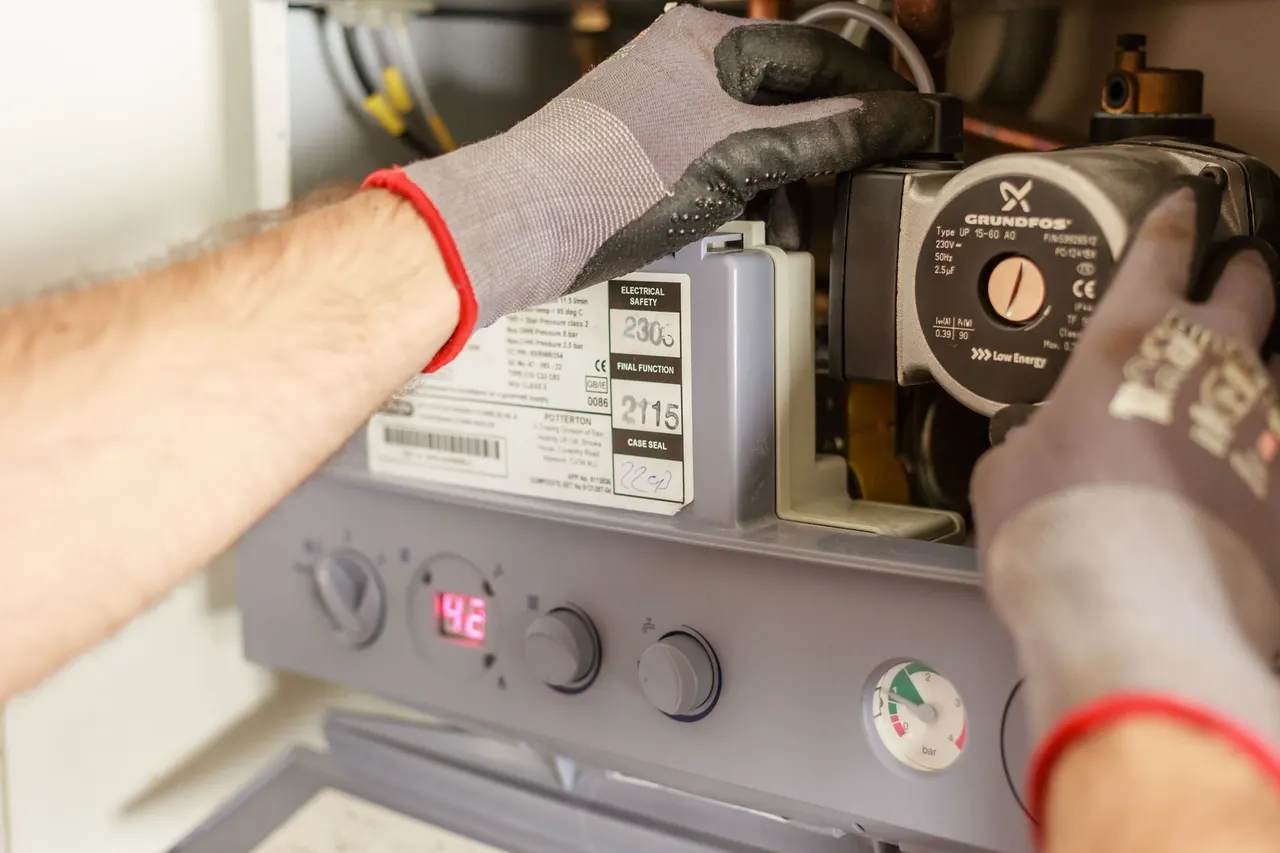
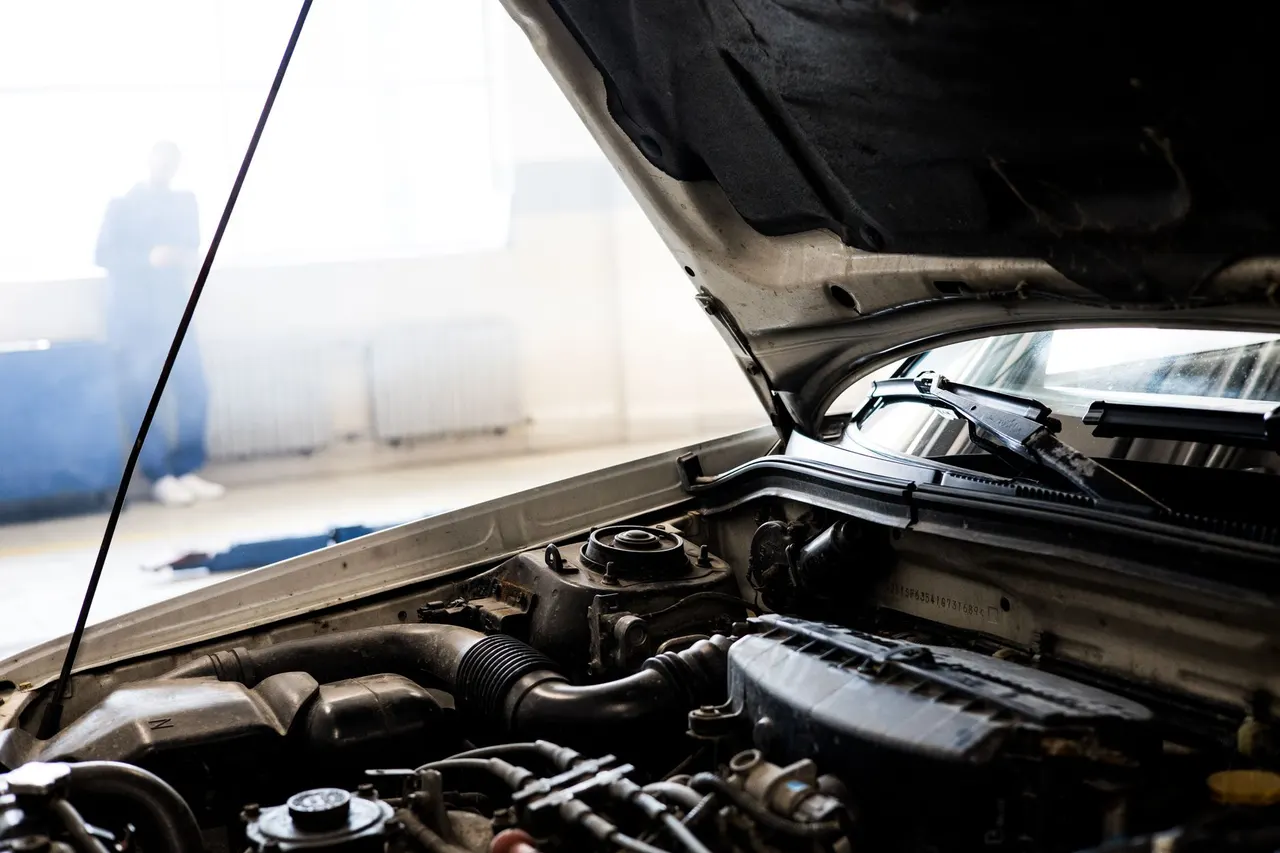
Gas Furnace Repair in Boise helps restore dependable heat when your furnace will not start, blows cold air, or cycles too often. Edge heating and cooling system checks the ignition, airflow, controls, and venting, then explains the repair before work begins. If you are searching for natural gas heating repair Boise homeowners can call for a clear diagnosis, we work on the fault affecting your home and test the furnace after the repair.
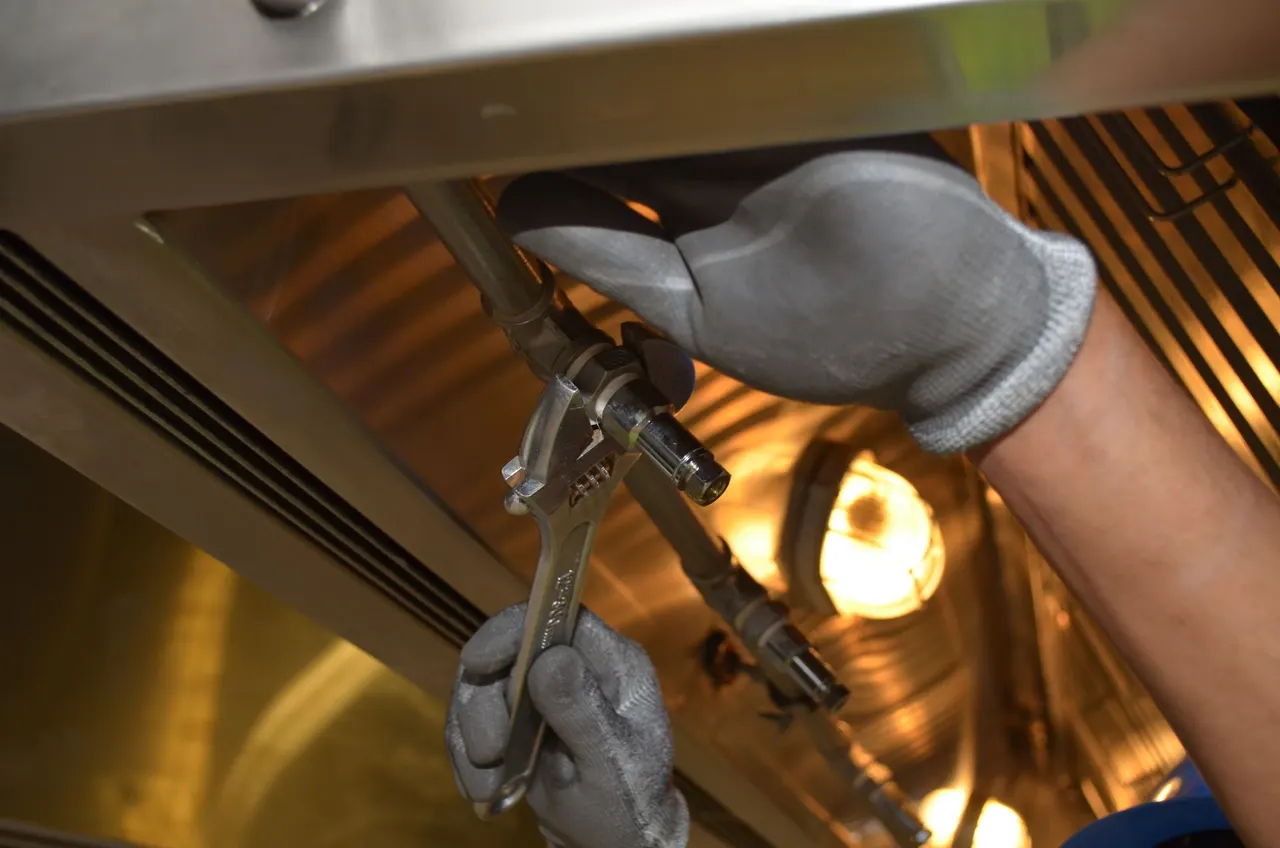
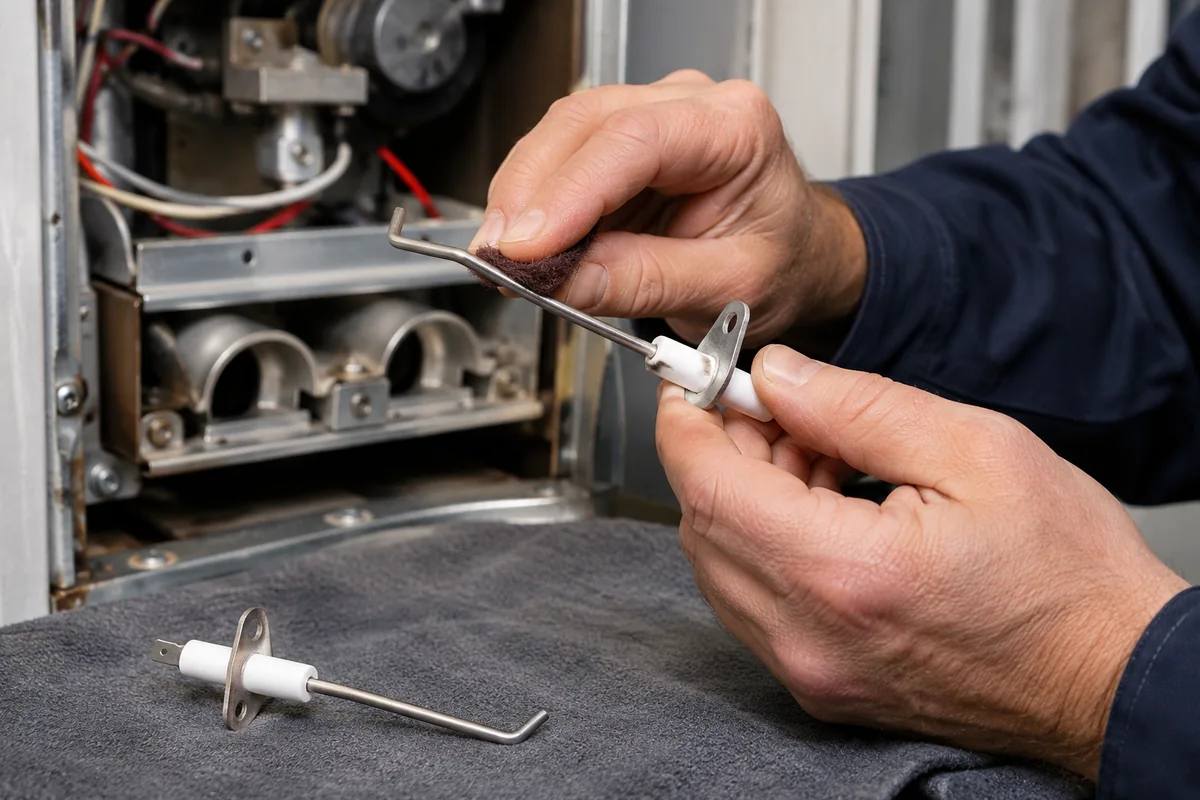
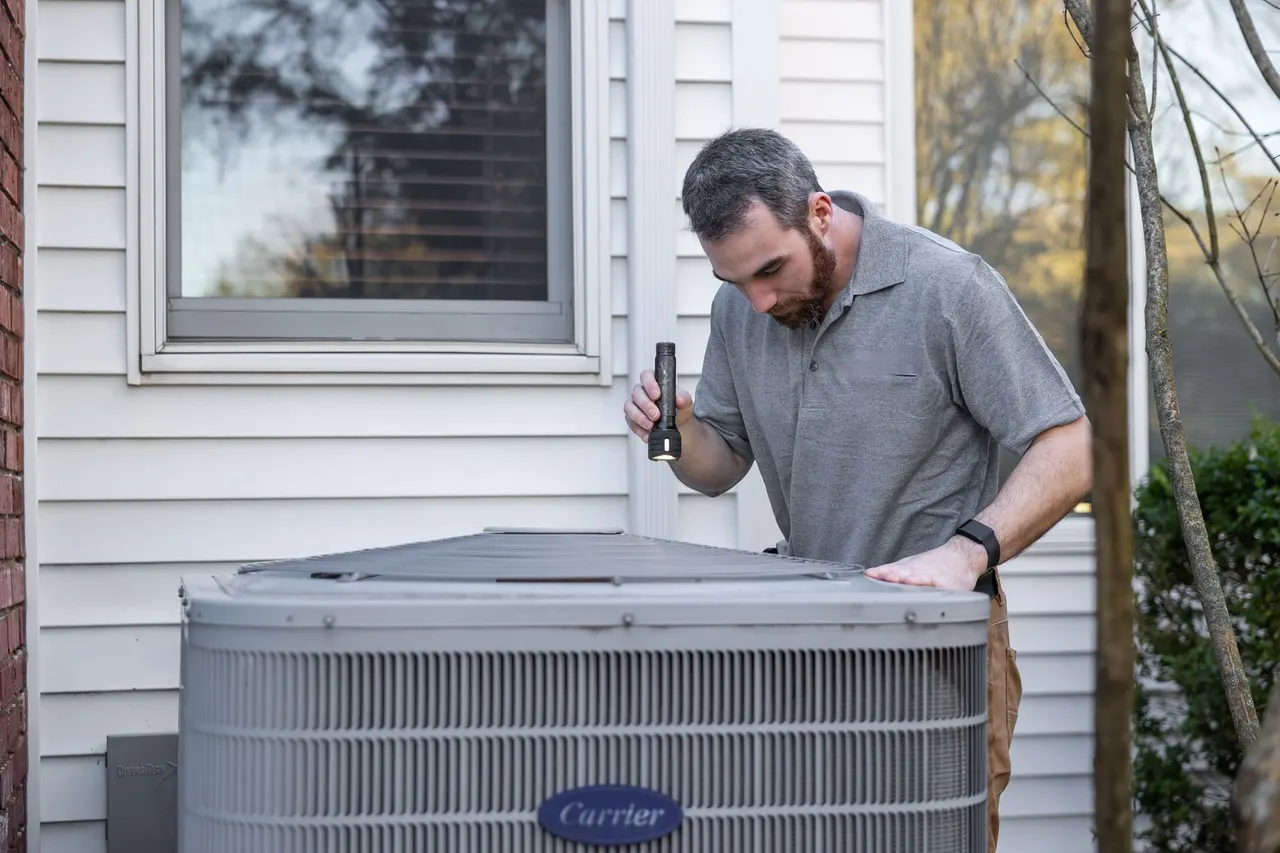
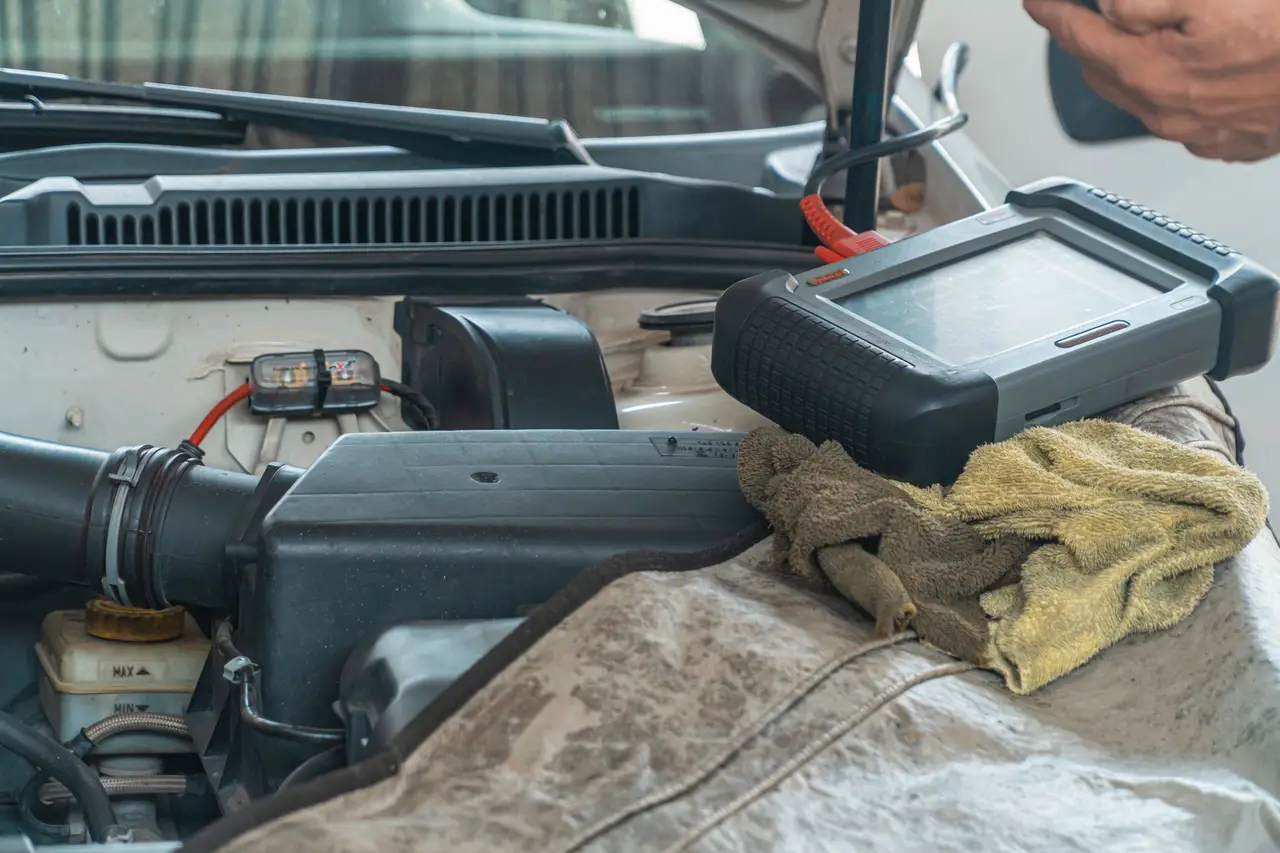
Measure before replacingTest the suspected component first
Protect work areaKeep tools and parts orderly
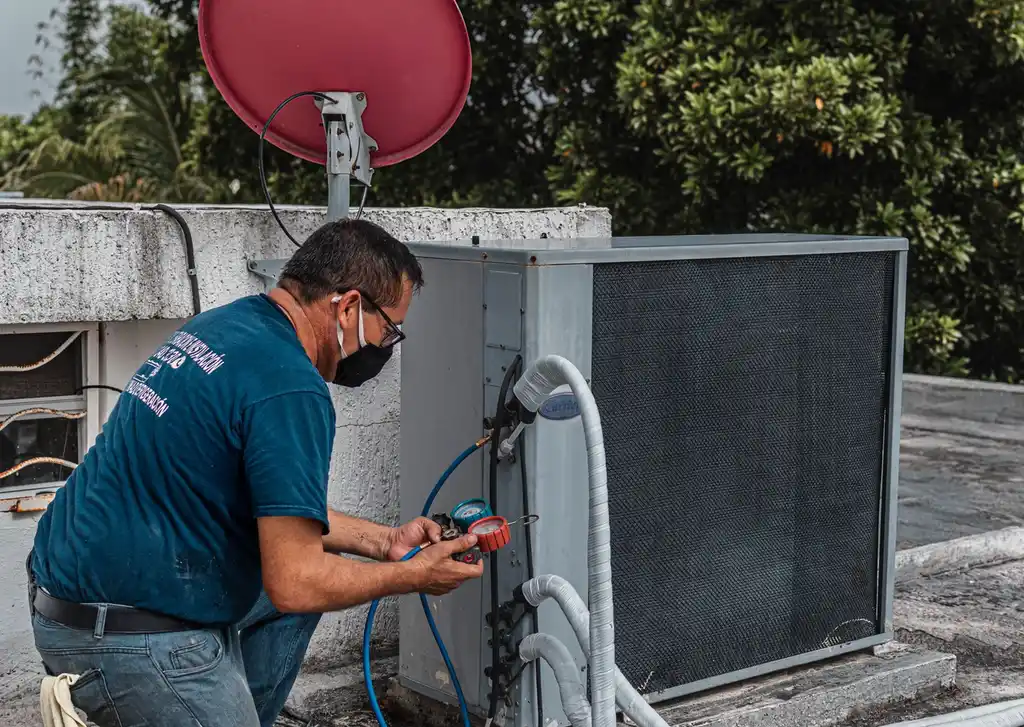
Explain readingsConnect findings to symptoms
Verify operationObserve a complete heating cycle
What Gas Furnace Repair Includes
Gas Furnace Repair in Boise covers diagnosis of the reported fault, inspection of relevant operating components, an explanation of repair options, and testing after approved work. We focus on the components tied to the symptom, rather than treating a repair visit as a full system replacement. Parts, access, and additional faults affect the work required; we explain the specific repair and upfront price before proceeding.
Symptom And System Review
We ask about startup behavior, noises, thermostat settings, and when the problem occurs. Then we identify the furnace model and check visible conditions that influence diagnosis, such as a clogged air filter, blocked return, or unusual venting.
Ignition And Control Testing
We evaluate the call for heat and follow the ignition sequence to find where operation stops. Depending on the symptom, checks may involve the ignitor, flame sensor, thermostat signal, pressure switch, or control board.
Airflow And Blower Checks
We inspect the filter and airflow path, then assess whether the blower starts and moves air appropriately. These checks help distinguish a heating fault from restricted airflow that can trigger overheating or a limit-switch shutdown.
Approved Component Repair
Once the fault is identified, we explain the recommended repair and price. With your approval, we repair or replace the relevant component using parts suited to the furnace model and the failure found.
Post-Repair Operation Test
We restart the furnace and observe its heating cycle, including ignition, burner operation, blower response, and thermostat control. We review the result with you and note any separate issue that needs attention.
Homes and businesses.
The approach is the same for a home and a business. What changes is the access, the schedule and who needs the paperwork.
Homes And Rentals
We diagnose no-heat calls, cold-air complaints, and repeated shutdowns in houses, apartments, and rental homes. You receive a clear explanation of the tested components and repair.
Furnace will not ignite
Cold air from supply vents
Uneven heat between rooms
Business Properties
We inspect gas furnaces serving offices, shops, and managed properties with attention to heating schedules and occupant comfort. We explain the fault and the operating checks completed.
Heating interruption during business hours
Uneven temperatures across work areas
Repeated furnace shutdowns
Gas Furnace Repair in Boise: What We Do
A plain-language look at what Gas Furnace Repair involves and when it is needed.
Gas Furnace Repair in Boise is a heating-system service that diagnoses and corrects faults preventing a gas furnace from starting, heating properly, or operating safely. We trace the symptom through the thermostat, electrical controls, ignition sequence, burner, blower, airflow, and venting instead of replacing parts by guesswork. A digital multimeter helps check electrical readings, while a manometer can verify gas or pressure-switch conditions. Once we identify the cause, we explain the repair and test the furnace through a complete heating cycle.
Boise homes need reliable heat as November temperatures fall and cold snaps put furnaces under longer runs. Older homes, additions, and closed interior doors can contribute to restricted airflow, while a clogged air filter can cause furnace short cycling or cold air from the registers. We handle Boise gas heating system repair for symptoms such as repeated ignition attempts, unusual burner behavior, and a blower that will not start. If you need gas furnace repair in Boise ID, we check the actual equipment and conditions at your home.
A sound repair identifies the fault, corrects it, and verifies furnace operation through a heating cycle.
What it is
Diagnosis and repair of a gas furnace fault affecting ignition, heat output, airflow, controls, or safe operation.
When you need it
Call when the furnace will not start, blows cold air, cycles repeatedly, or shows a persistent unusual symptom.
What to expect
We inspect, test relevant components, explain the fault, complete approved work, and check operation afterward.
What To Expect During A Visit
Gas Furnace Repair in Boise follows a straightforward sequence: hear the symptom, inspect the equipment, test the suspected components, and verify the result. Most diagnostic visits take about 30 to 60 minutes; a repair commonly takes 1 to 3 hours, depending on access and parts. We keep you informed as each step moves from diagnosis to completed work.
Hear The Symptoms
We begin by asking what you noticed, when the problem began, and whether the furnace makes repeated start attempts or shuts down after running. You can point out cold rooms, thermostat behavior, or unusual sounds. This takes about 10 minutes and helps us choose a safe, efficient diagnostic path rather than starting with a parts guess.
Symptoms
Timing
Fault codes
Inspect The Furnace
We check the thermostat call, air filter, furnace cabinet, visible wiring, and venting before testing internal components. We protect the work area and identify the furnace make and model so the checks fit the equipment. An initial inspection usually takes 10 to 20 minutes, depending on access and whether the unit is in a crawlspace or utility room.
Model check
Visual inspection
Air filter
Test The Fault
We use the appropriate meter and test sequence to isolate the fault, which can involve ignition, a pressure switch, blower operation, or a control signal. A combustion analyzer is useful when combustion readings need evaluation. You receive a plain explanation of what failed, what still tests correctly, and the repair needed before we proceed.
Electrical tests
Ignition checks
Readings
Complete The Repair
After you approve the repair and pricing, we correct the fault, install the appropriate replacement part when needed, and reassemble the furnace. Straightforward component repairs often take 1 to 3 hours; difficult access or a less common part can extend the visit. We keep removed parts available for you to inspect and explain any remaining issue.
Approved repair
Parts fit
Reassembly
Verify Safe Operation
We restart the furnace and observe a full heating cycle, checking ignition, burner operation, blower response, and thermostat shutdown. We also check that warm air reaches the duct system and that the original symptom has stopped. Before leaving, we review the repair, filter condition, and any follow-up maintenance that would help your system.
Restart
Heating cycle
Review
Tools And Diagnostic Methods
Move across a circle, or focus it and press Enter, for an illustrative thermal view of the photograph.
Digital multimeter
We check voltage, continuity, and electrical signals at the thermostat, control board, and furnace components to locate a break in the operating sequence.
Combustion analyzer
When combustion readings are relevant, this instrument evaluates exhaust performance and helps assess whether the furnace is burning fuel and venting as intended.
Manometer
We use pressure readings to investigate pressure-switch behavior and related furnace conditions, comparing results with equipment requirements rather than guessing from a symptom.
Infrared thermometer
Temperature readings help us compare supply and return air and evaluate whether the furnace is heating across the system during operation.
Clamp meter
A clamp meter measures electrical current without disconnecting the conductor, helping assess motor and other electrical loads during diagnostic testing.
Thermal views are illustrative, generated from the photographs.
Methods
Manufacturer Sequence Testing
We follow the furnace's operating sequence from thermostat demand through inducer operation, ignition, flame sensing, and blower response. The exact order depends on the model. Identifying the point where the sequence stops helps distinguish a failed component from a signal or safety condition.
Airflow And Temperature Review
We inspect the filter and return path, then compare system temperatures during operation. A restricted filter or blocked return can contribute to overheating and limit trips, while poor temperature rise can point to a different operating issue. We relate measurements to the furnace specifications.
Combustion And Venting Assessment
Where the symptoms call for it, we assess combustion and venting using suitable test equipment and the manufacturer's procedures. Fuel-burning equipment must operate and vent correctly. If readings or visible conditions indicate a safety concern, we explain the finding and do not treat it as a routine comfort repair.
When To Call For Furnace Repair
Ignition failure
A North End home wakes to a cold house, and the furnace makes several attempts without lighting.
We check the thermostat call, ignition sequence, and safety controls to identify why the burners do not stay on. If you have a fault code, share it when arranging service; it can help direct the initial checks. We explain the repair before replacing a component.
Outcome: You get a specific diagnosis and a tested repair, rather than repeated resets that leave the home without dependable heat.
Repeated cycling
A Boise Bench furnace runs briefly, stops, and restarts while some rooms remain colder than others.
We inspect airflow, filter condition, thermostat placement, and furnace operation to find what is triggering the repeated shutdown. If the restriction is external to the furnace, we identify it; if a control or limit is involved, we test that component and explain the next step.
Outcome: The cause of the short cycling is identified, and you know whether the correction is an airflow adjustment or a component repair.
Cold air
A Harris Ranch homeowner hears the blower but feels cold air from vents during a November cold snap.
We compare blower operation with the burner sequence and check ignition and control signals. That separates a fan-only condition from a thermostat issue or failed heating component. After the repair, we observe a full cycle and confirm warm air delivery at the registers.
Outcome: You know why the air was cold and whether the furnace now completes a normal heating cycle.
Unusual odor
A furnace in a West Boise home produces a persistent unusual smell when the heat starts.
If the smell suggests gas or carbon monoxide, leave immediately and call the utility or emergency services from outside. After the immediate concern is addressed, we inspect the burner and venting and assess safe operation before discussing any repair.
Outcome: The potential hazard is handled first, and the furnace is not returned to service until its condition has been assessed.
North EndBoise BenchHarris Ranch
How Gas Furnace Repair Works In Boise
Boise's heating season brings long furnace run times, with colder stretches putting extra demand on ignition components, blower motors, and filters. In older homes around the North End and Boise Bench, additions or remodeled rooms can change airflow and create uneven temperatures. Newer homes in areas such as Harris Ranch have different layouts, but a closed return or thermostat issue can still affect comfort.
Our Boise gas heating system repair starts with the equipment at your property, not assumptions based on the neighborhood. We inspect and test the reported fault, then check the relevant airflow, ignition, and venting conditions. Work on fuel-burning equipment must follow applicable requirements, including the National Fuel Gas Code and NFPA 54 where relevant, as well as manufacturer instructions.
If you need same-day natural gas heating repair Boise residents seek during a no-heat event, tell us what the furnace does, any fault code, and whether you smell gas. For a gas odor, leave the building and contact the utility or emergency services from a safe place.
North End: Older homes and remodeled layouts can have varied return-air paths. We check the filter and airflow before attributing uneven heat to a failing furnace part.
Boise Bench: A mix of home ages and furnace locations means access differs from one call to the next. We identify the model and work area before selecting diagnostic checks.
Harris Ranch: Multi-room layouts can reveal uneven temperatures when doors are closed or airflow is restricted. We compare thermostat demand with heat delivery at the registers.
Warm Springs Mesa: Homes with different equipment configurations need model-specific testing. We check the ignition sequence and venting conditions rather than assuming all furnaces share the same controls.
Boise cold snaps increase the number of continuous heating cycles: Longer operation exposes weak ignition, airflow, or control components that may not show symptoms during mild weather. We observe the furnace under a full heating cycle and look for repeated shutdowns.
Older home layouts can restrict return-air movement: A clogged filter, closed return, or remodeled room can reduce airflow and contribute to limit trips or uneven heat. We inspect the accessible air path before recommending a furnace component.
We review the symptom and identify the furnace model and access point.
We protect the work area and set up the required diagnostic tools.
We test operation, explain the findings, and review the completed repair.
From problem to finished result.
IllustrativeThe thermal view is generated from the photograph. It is not a measurement. Drag the handle, or use the arrow keys once it is focused.
Ignition Fault Corrected
Before: A homeowner reported a furnace that started briefly, then shut off before the living areas warmed. The thermostat called for heat, but repeated attempts did not complete a stable cycle. Guessing at a replacement part could have left the real fault untouched, so we tested the ignition and flame-sensing sequence first.
After: We found a flame-sensing issue, corrected it, and confirmed burner operation through a full heating cycle. The furnace continued running after ignition instead of shutting down within minutes. The customer saw the failed condition, heard what we tested, and had warm air returning to the rooms after the repair.
Check the air filter monthly during heavy winter use and replace it when dirty, following the furnace's filter specifications. Keep supply and return grilles open so airflow remains consistent.
Cold Air Traced To Controls
Before: A Boise household felt cold air from the vents even though the blower ran. The furnace was receiving a thermostat call, but heat production did not match fan operation. The family had already reset the system several times without changing the symptom, leaving the cause unresolved.
After: Testing isolated the problem to the ignition control sequence rather than the blower. After the repair, we restarted the furnace and checked ignition, burner operation, and air delivery. The system completed its heating cycle and the registers delivered warm air instead of continued fan-only operation.
Avoid repeated resets when the furnace stops producing heat. Note any display code and the point at which operation stops, then share those details during diagnosis.
Short Cycling Reduced
Before: A furnace in a Boise home switched on and off every few minutes, with one room warmer than another. The filter was heavily loaded and the return path was restricted. Repeated cycling interrupted comfort and made it difficult to tell whether a separate control problem was also present.
After: We corrected the airflow restriction, inspected limit response, and retested the furnace. The system then ran a longer, steady heating cycle instead of restarting every few minutes. Air distribution improved across the rooms, and the homeowner received guidance on checking the filter during the heating season.
Inspect the filter each month in winter and replace it when loaded, using the correct size and type. Keep returns clear of furniture and avoid closing multiple supply registers.
Problems Behind A Furnace That Will Not Ignite
A no-heat symptom can begin in the thermostat, ignition system, gas supply, airflow, or safety controls. We look for the point where the operating sequence breaks, then repair the cause and verify the system. Recognizing the pattern helps us focus the visit without treating every shutdown as the same failure.
Burner shutdownBurners light briefly, then the furnace shuts downThe home loses heat while repeated ignition attempts place extra demand on the furnace controls and leave rooms uncomfortable. We inspect flame sensing and follow the ignition sequence to determine why the control stops burner operation. If a dirty flame sensor is preventing reliable detection, we clean or replace it as appropriate, then confirm that the burners remain lit through the heating cycle. We also check for another condition that could interrupt operation.
Cold airFurnace blows cold air after the thermostat callsRooms stay cold even though the blower is running, and continued operation can mask an ignition or control fault. We compare the thermostat call with burner and blower operation to find where heat production stops. Checks may include the ignitor, control board, and safety switches. After repairing the identified fault, we run the furnace and confirm that warm air reaches the duct system rather than relying on the blower sound alone.
Short cyclingFurnace short cycling during a Boise cold spellFrequent starts leave temperatures uneven and increase wear on ignition and control components during periods of heavy heating demand. We check airflow, filter condition, thermostat behavior, and limit-switch response to locate the trigger. If a restricted return or clogged filter is contributing, we explain the correction and retest operation. If the furnace continues to cycle, we assess the controls and temperature behavior before recommending additional work.
Safety concernUnusual odor or suspected combustion concernA gas odor or signs of poor combustion require immediate caution because continued operation can expose occupants to a serious safety hazard. If you smell gas, leave the building without operating switches and call the gas utility or emergency services from a safe location. Once the immediate hazard is addressed, we can inspect the furnace and its venting, check operation, and explain whether repair is appropriate. We never advise running equipment with an unresolved safety concern.
Practical Results From The Repair
A tested repair restores heat and explains what caused the furnace problem.
Heat Restored At The Source
If your furnace will not ignite, we follow the sequence from thermostat demand to burner operation. A dirty flame sensor or failed ignitor can interrupt that sequence, but the symptom alone does not identify the part. We test before replacing components, then confirm that the burners light and the blower distributes warm air through the home.
Fewer Repeat Shutdowns
Short cycling often points to an airflow restriction, a control issue, or a safety device responding to an abnormal condition. We inspect the filter, return-air path, and operating cycle before recommending a repair. Correcting the underlying cause helps avoid repeated starts and stops that leave rooms unevenly heated.
Clear Repair Choices
You get an explanation of the fault and the repair options before we proceed. Our natural gas furnace service Boise homeowners request focuses on the parts and tests relevant to the actual failure, rather than a vague recommendation to replace the system. We discuss upfront pricing so you can make an informed decision.
Safety Checks Included
A furnace that smells unusual, struggles to vent, or repeatedly trips a limit switch needs prompt attention. We examine the burner and venting conditions and test the operating sequence. If there is a suspected gas leak or carbon monoxide concern, leave the area and contact emergency services or the gas utility from a safe location.
What you receive
Clear records you can keep and share.
Findings summary
The diagnosed fault and related observations
Repair record
Work completed and components addressed
Test notes
Operating checks completed after repair
Care notes
Filter and airflow reminders for your system
Symptoms Do Not Name The Failed Part
A no-heat complaint identifies the result, not the cause; testing separates ignition, airflow, control, and safety faults.
Ignition faults
The burner fails to light or stay lit during a call for heat.
Ignitor response
Flame sensing
Control sequence
Airflow faults
Restricted air movement can cause uneven heat or shutdowns.
Filter condition
Return-air path
Blower operation
Control faults
A signal or safety interruption can stop normal furnace operation.
Thermostat call
Pressure response
Limit behavior
Parts And Systems
Flame sensors
Ignitors
Pressure switches
Blower motors
Control boards
Inducer motors
Limit switches
Heat exchangers
Service ZIP codes.
A list like this tells people straight away whether you cover their street. Not listed? Call and ask: it only takes a minute.
Edge heating and cooling system diagnoses and repairs residential gas furnaces in Boise. We inspect the ignition sequence, controls, airflow, and venting, then explain the fault and repair before work proceeds. A diagnostic visit often takes 30 to 60 minutes, with repair time depending on the failed component and access. If you smell gas, do not operate switches or the furnace; leave the building and call the gas utility or emergency services from a safe location.
A straightforward sensor or ignition repair costs less than a blower motor or control-board replacement. We explain the diagnosis and upfront price before starting the approved repair. For how much does gas furnace repair cost in Boise, the furnace model, part availability, and access to the equipment all affect the final amount.
A gas furnace may fail to ignite because of a dirty flame sensor, failed ignitor, interrupted thermostat signal, or a pressure-switch problem. We test the ignition sequence rather than replacing parts based on the symptom alone. If you need help with a gas furnace that will not ignite in Boise, note whether the inducer starts, whether you hear repeated clicks, and whether the furnace displays a fault code. Do not bypass safety switches.
No; turn off the furnace and leave the building if you smell gas or suspect carbon monoxide. Do not use flames, operate electrical switches, or re-enter to investigate; call emergency services or the gas utility from a safe location. A brief dusty odor at the first seasonal startup differs from a persistent fuel-gas smell, burning odor, or symptoms such as headache and dizziness. Arrange a professional inspection before running the furnace again.
No heat, cold air, or repeated shutdowns call for a direct diagnosis. Edge heating and cooling system checks the furnace, explains the cause, and discusses upfront pricing before the repair. Call us to arrange service for your Boise home.
Tell us what your furnace is doing, your Boise neighborhood, and when the heating problem began. Call (208) 218-0701 to discuss the repair request; our phone team will record the details and route your inquiry to an independent company. Phone response hours vary, so leave a message with your name and callback number if the line is busy. We will use the information to help direct the next step.