Furnace Tune-Up and Preventive Maintenance Boise ID
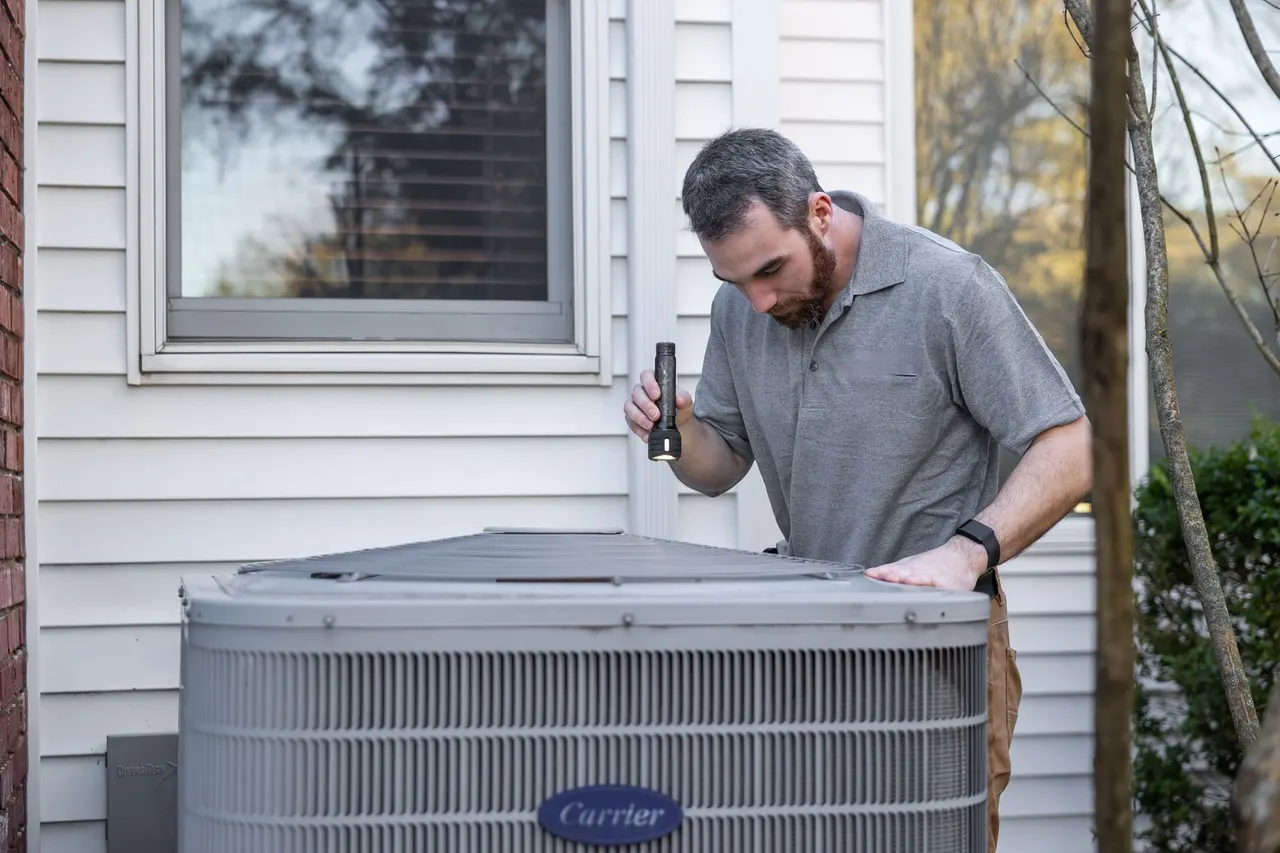
Furnace Tune-Up and Preventive Maintenance Boise ID helps homeowners and property managers catch wear before a cold snap leaves rooms without heat. We inspect, clean, test, and explain the condition of your equipment, including practical next steps if a part needs repair. Our furnace preventive maintenance Boise service suits gas and electric systems before winter operation or after signs such as uneven heat, short cycling, or a furnace that blows cool air.
Your maintenance visit covers inspection, cleaning of serviceable parts, operating checks, and a review of findings. We tailor the checks to the furnace type and accessible components. Replacement parts, extensive cleaning, duct modifications, and corrective repairs are not routine tune-up tasks; if the inspection points to one of those needs, we explain the reason and discuss the appropriate next service.
Thermostat and Filter Check
We confirm the thermostat calls for heat and inspect the filter for loading, fit, and airflow restriction. We note the filter size and condition so you know what to replace and how the restriction could affect blower operation.
Ignition and Burner Review
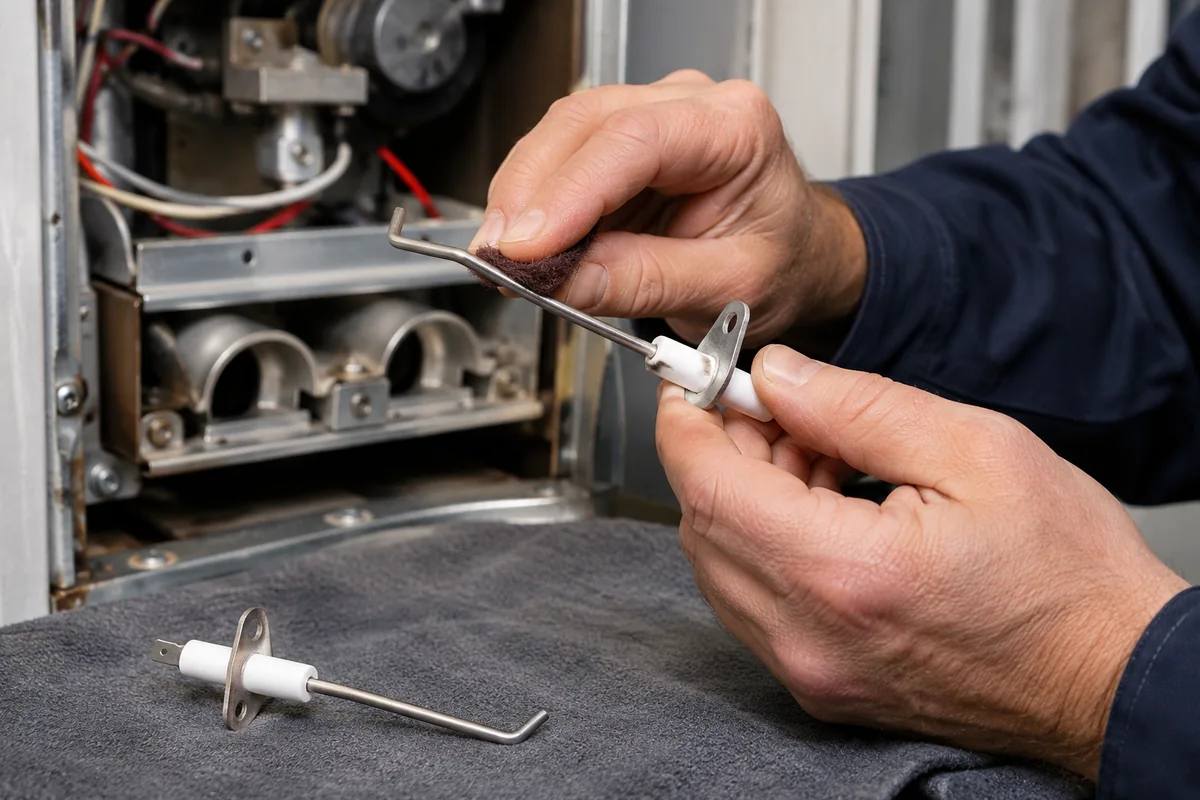
On applicable furnaces, we observe the ignition sequence and inspect accessible burner and flame-sensing components. We look for delayed ignition, interrupted operation, or visible buildup that could explain repeated starts or a furnace that stops before completing a cycle.
Electrical and Control Check
We inspect accessible wiring and control connections, then use appropriate test equipment to assess operation. A faulty thermostat or control-board symptom needs diagnosis; we do not assume that a displayed error identifies the failed part without testing.
Blower and Airflow Review
We check blower operation and visible airflow restrictions that can contribute to uneven heating. A clogged filter, closed register, or restricted return can affect system performance, so we discuss the specific condition we observe rather than promising a particular efficiency gain.
Heating-Cycle Test
We run the furnace through a call for heat and observe start-up, steady operation, and shutdown.
Homes and businesses.
The approach is the same for a home and a business. What changes is the access, the schedule and who needs the paperwork.
For Homes
We check the furnace serving your home, whether you own or rent, and explain findings in practical terms. You can point out cold rooms, unusual sounds, or recent filter changes.
Uneven heat between bedrooms
Furnace starts and stops repeatedly
Seasonal filter replacement
For Properties
We coordinate furnace checks with owners and property managers who need clear operating information. We note observed conditions and explain which items call for maintenance or further diagnosis.
Tenant turnover heating check
Shared equipment access planning
Heating cycle documentation
Furnace Tune-Up and Preventive Maintenance Boise ID
A plain-language look at what Furnace Tune-Up and Preventive Maintenance involves and when it is needed.
Furnace Tune-Up and Preventive Maintenance Boise ID is a scheduled heating-system service that checks operating safety, cleans serviceable components, and identifies wear before regular winter use. We start with the thermostat and filter, then inspect accessible burners, ignition, electrical connections, venting, blower operation, and the heat exchanger area. Measurements help us compare operation with the equipment's specifications; cleaning is limited to components that can be serviced safely. We finish by running the furnace through a heating cycle and reviewing findings with you in plain language.
Boise's heating season puts equipment through repeated starts as outdoor temperatures change, and a clogged filter or dirty flame sensor can turn routine demand into short cycling or failed ignition. In Ada County homes, older ductwork, closed registers, or a thermostat in a drafty spot can also disguise the cause of uneven rooms. Fall furnace maintenance for Boise homes gives us time to spot these conditions before sustained cold arrives. We explain which observations are routine maintenance and which call for a separate repair.
A tune-up checks, cleans, measures, and tests your furnace before regular heating demand.
Service
Scheduled inspection, cleaning of serviceable parts, operating measurements, and a heating-cycle test.
Timing
Book before sustained winter use or when cycling, ignition, or airflow symptoms appear.
Visit
We discuss symptoms, inspect the system, test operation, and review findings with you.
What Happens During Your Visit
A Boise heating system tune-up follows a straightforward sequence, from your first description of the problem to the final operating check. We protect the work area, inspect the equipment, and talk through findings as we go. A standard maintenance appointment often takes about 60 to 120 minutes; extra troubleshooting or repair work takes additional time.
Discuss Symptoms
We begin by asking what you have noticed: delayed starts, unusual sounds, cold rooms, or changes in the thermostat display. You can show us the filter and any recurring pattern, such as a furnace that runs for only a few minutes. This brief conversation helps us focus the inspection and usually takes 5 to 10 minutes.
Symptoms
Thermostat
Filter
Inspect Equipment
We switch the system off as needed, inspect accessible components, and look for dirt, wear, loose connections, and airflow restrictions. We check the filter, burner area, venting, and visible wiring while keeping the work area orderly. You can see what we are checking and ask questions before we move to testing.
Visual check
Connections
Access
Clean and Measure
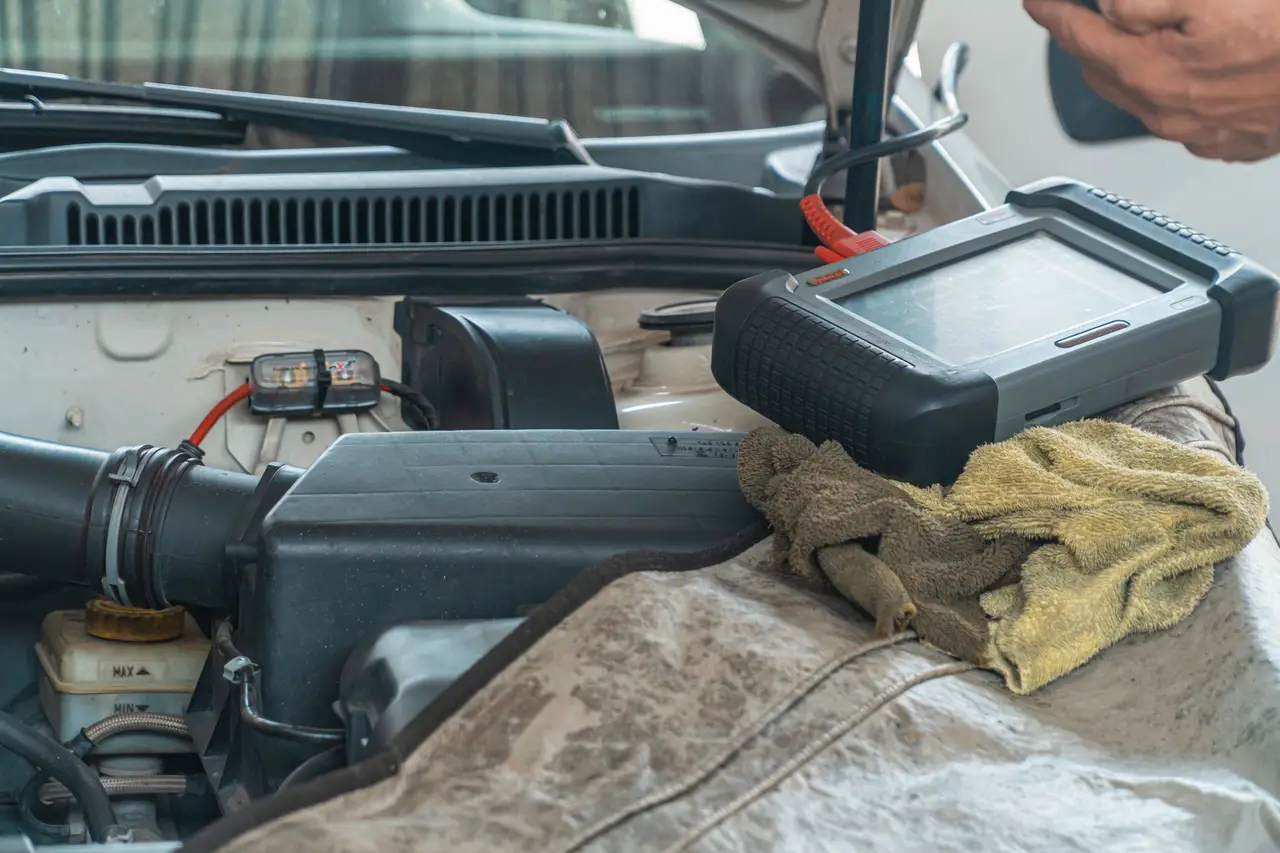
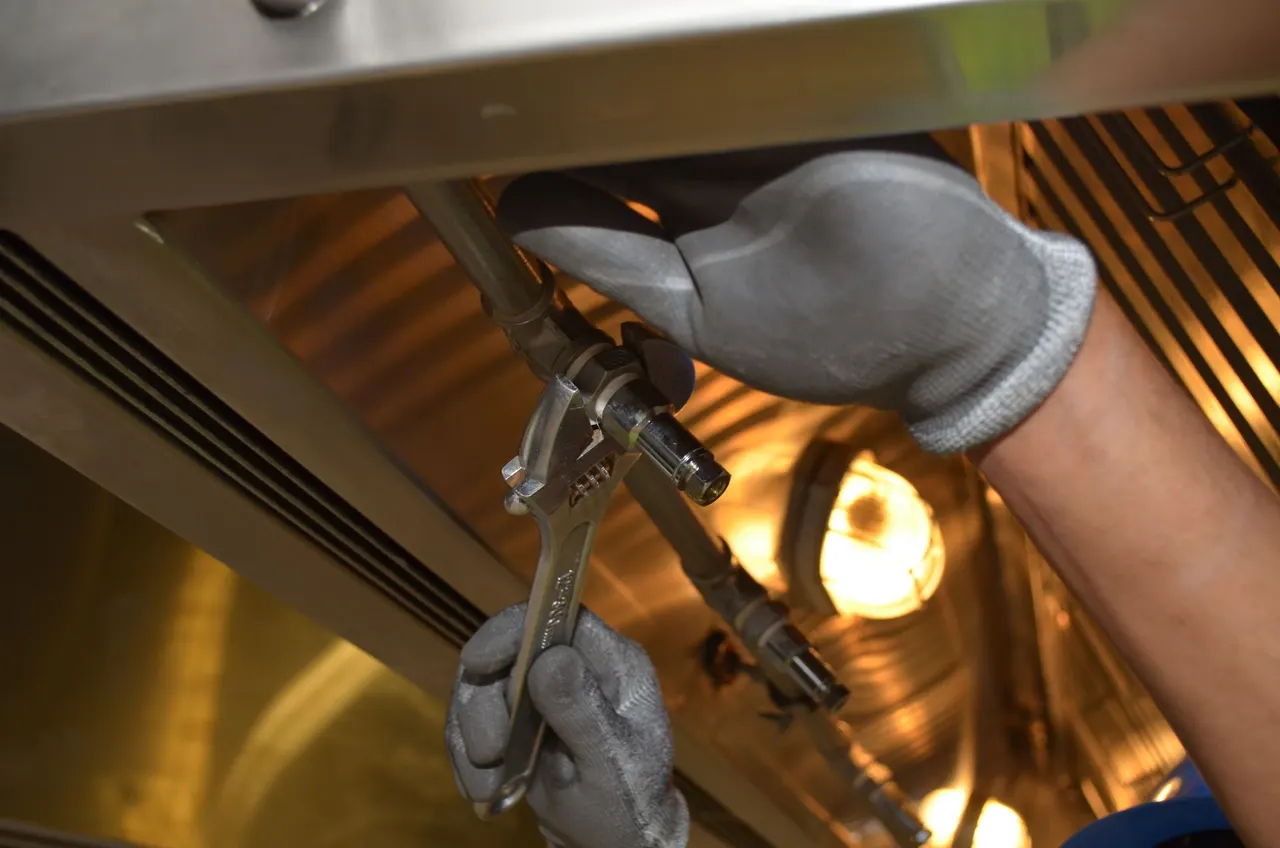
We clean serviceable parts and take operating readings appropriate to the furnace. A digital multimeter checks electrical values, while a combustion analyzer helps assess combustion performance on applicable gas equipment. We compare results with manufacturer requirements and explain any reading that points to further diagnosis rather than routine maintenance.
Cleaning
Readings
Measurements
Run Heating Cycle
We restore power and call for heat to observe ignition, burner operation, blower start, and shutdown. We check for repeated cycling, unusual vibration, or a furnace blowing cold air. This live test confirms how the system behaves as a sequence, not just how individual parts look while idle.
Heat call
Ignition
Shutdown
Review Findings
Before wrapping up, we tell you what passed inspection, what we cleaned, and what needs attention. If a repair is advisable, we explain the affected part and its role before doing that additional work. You leave with clear next steps for filters, seasonal scheduling, or a diagnostic visit.
Findings
Next steps
Questions
Tools and Test Methods
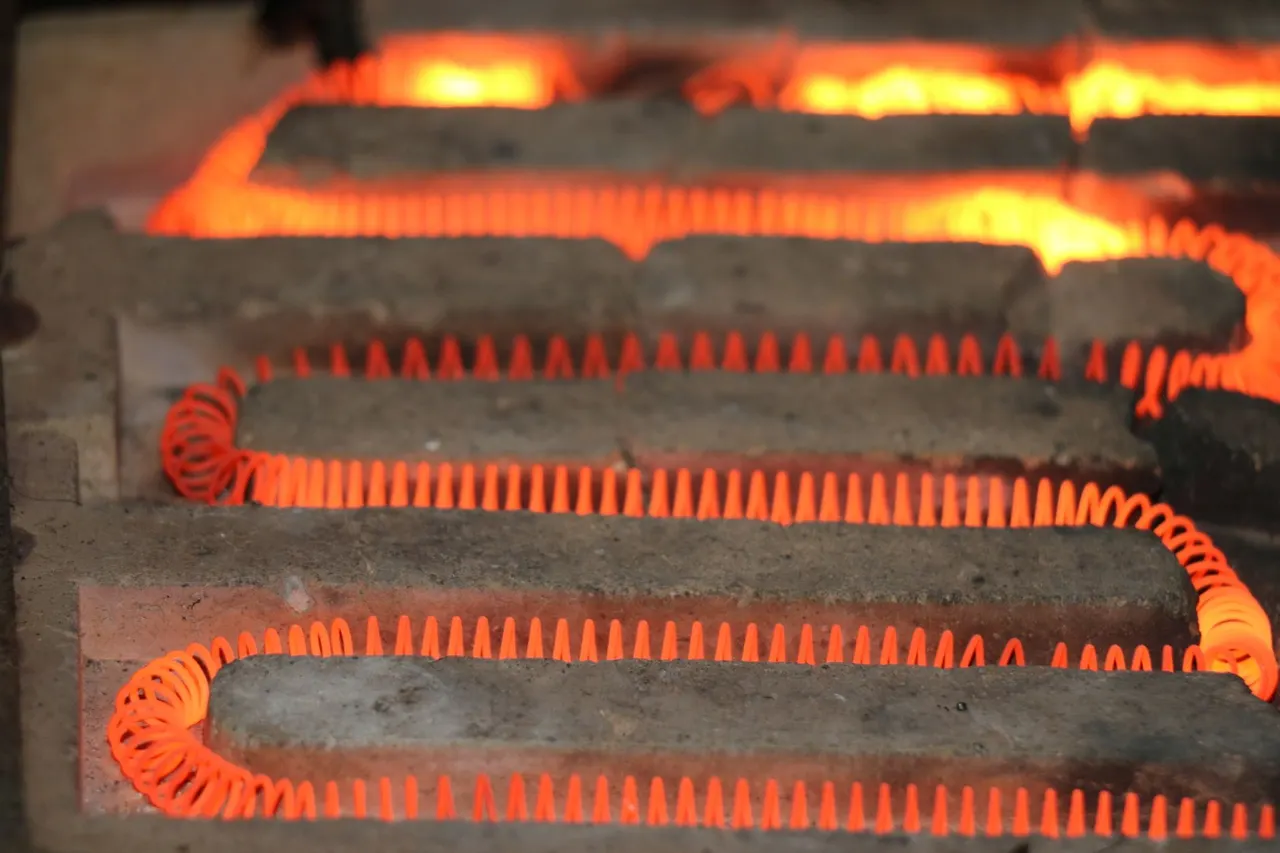
Move across a circle, or focus it and press Enter, for an illustrative thermal view of the photograph.
Digital multimeter
We use it to check appropriate electrical values at accessible controls and components, helping confirm operation or identify a circuit that needs further diagnosis.
Clamp meter
The clamp meter measures current without disconnecting a conductor, helping us evaluate electrical load on applicable motors and equipment during operation.
Combustion analyzer
On applicable gas furnaces, this instrument measures combustion-related readings so we can assess operation against equipment requirements and identify concerns for follow-up.
Manometer
We use pressure measurements when a specific operating symptom calls for checking a pressure condition, including investigation of a suspected pressure-switch problem.
Infrared thermometer
This tool helps compare accessible surface temperatures and identify temperature patterns that guide inspection; it does not replace required combustion or component testing.
Thermal views are illustrative, generated from the photographs.
Methods
Manufacturer-sequence testing
We follow the furnace's operating sequence from thermostat call through ignition, heat delivery, blower operation, and shutdown. Observing the sequence helps identify where a symptom begins instead of replacing a part based on a single error or sound.
Combustion and venting review
For applicable gas equipment, we inspect accessible venting and evaluate combustion readings using the right instrument and manufacturer guidance. If readings or visible conditions raise a safety concern, we stop treating the issue as routine maintenance and explain the required follow-up.
Airflow-first troubleshooting
We check the filter, accessible return path, and visible supply restrictions before attributing uneven heat to a major equipment fault. This approach can uncover a simple blockage while preserving a clear distinction between routine maintenance and duct or blower repairs.
Code-aware service
We apply the requirements relevant to the work and equipment, including applicable provisions of the International Mechanical Code and National Fuel Gas Code. NFPA 54 is also relevant to fuel-gas system safety. The specific requirements depend on the installation and work being performed.
When to Schedule a Tune-Up
Prewinter check
Your Boise home has not had a heating check before the furnace begins running through cold nights.
We inspect the system before sustained demand, clean serviceable areas, and run a heating cycle. We pay attention to startup behavior and airflow so a seasonal concern does not go unnoticed until the house is cold.
Outcome: You know how the furnace operated during the visit and which maintenance or repair items deserve attention before regular winter use.
Intermittent cycling
A North End furnace starts several times in a short period but does not keep the rooms warm.
We ask when the cycling occurs, inspect the filter and thermostat call, then observe ignition and shutdown. Our checks help separate airflow concerns from a sensor or control fault that needs further diagnosis.
Outcome: You get a clear explanation of the symptom and a next step based on what the furnace actually does during testing.
Rental turnover
A Boise Bench rental is changing tenants and the owner wants the heat checked before move-in.
We inspect accessible components, test the thermostat call, and verify a complete operating cycle. We note visible maintenance needs and explain any fault that calls for corrective service, giving the property manager useful information for planning.
Outcome: The owner receives a clear account of system operation and can address identified issues before the tenant relies on daily heat.
Uneven rooms
A home in Harris Ranch has uneven heating after filter changes and repeated thermostat adjustments.
We review the filter, return-air path, register conditions, and blower operation, then observe the furnace under a heating call. If the issue points beyond routine maintenance, we identify the diagnostic direction instead of guessing at a replacement.
Outcome: You learn whether a simple airflow restriction is contributing or whether the comfort complaint needs a deeper system assessment.
North EndBoise BenchHarris Ranch
How Furnace Maintenance Works in Boise
Boise's heating season brings long stretches when a furnace runs daily, but shoulder-season temperature swings can also trigger frequent starts and stops. We plan a tune-up around the system's condition, not just the calendar: filter loading, ignition behavior, airflow, and venting all matter when the next cold stretch arrives.
In older homes around the North End and Boise Bench, equipment age and duct layout can make room-to-room comfort uneven. Newer homes in areas such as Harris Ranch have different access and control layouts, so we check the installed system rather than assume a standard configuration. Our Boise heating system tune-up includes operating checks suited to the furnace type and accessible components.
For fall furnace maintenance for Boise homes, booking before daily heating demand gives us a chance to identify a concern while there is time to plan a repair.
North End: Older homes and varied duct layouts can produce uneven room temperatures, so we ask which rooms lag before checking airflow and system operation.
Boise Bench: A mix of home ages means furnace access and filter arrangements differ; we inspect the installed equipment rather than rely on a one-size checklist.
Harris Ranch: Homes with newer control setups still need seasonal checks; we verify thermostat calls, ignition sequence, and airflow at the actual furnace.
Warm Springs Mesa: We consider the home's heating pattern and equipment condition, then test a full cycle to catch interruptions before extended winter use.
Cold snaps increase the length and frequency of heating calls.: A furnace that seemed adequate during mild weather may reveal a weak ignition sequence or restricted airflow once it runs for longer periods. We observe the complete cycle and discuss any repeat interruption before it becomes a no-heat event.
Seasonal dust and household debris load filters unevenly.: A loaded filter can reduce airflow and contribute to long run times or uneven room temperatures. We check the filter's fit and condition, then explain a replacement interval suited to the home's use and filter type.
We review symptoms and identify the furnace and thermostat.
We protect the work area and inspect accessible equipment.
We test operation, explain findings, and discuss next steps.
From problem to finished result.
IllustrativeThe thermal view is generated from the photograph. It is not a measurement. Drag the handle, or use the arrow keys once it is focused.
Intermittent Ignition Restored
Before: A homeowner reported that the furnace sometimes started, then shut down before warm air reached the living room. The system had been idle during mild weather, and the problem appeared on colder mornings. The filter was also near the end of its service life, making it important to check both airflow and ignition rather than assume one cause.
After: We inspected the filter, observed the ignition sequence, and found buildup on the flame sensor. After cleaning the serviceable sensor and replacing the restricted filter, we ran the furnace through three complete heating calls. Each call completed without the earlier shutdown during the visit, and we explained what symptom would justify a diagnostic follow-up.
Check the filter monthly during heavy use and replace it according to its rating and condition. Keep a note of any failed starts or short cycles so the next inspection can compare the symptom.
Uneven Rooms Investigated
Before: A Boise Bench household was turning the thermostat higher because one back bedroom remained cool. The furnace ran for long periods, and the occupants suspected the heating equipment was undersized. We began by checking the filter and accessible airflow path before drawing a conclusion about furnace capacity.
After: The filter was heavily loaded and a return grille was obstructed by stored items. After the restriction was corrected, we ran the system for 20 minutes and confirmed steady blower operation. The room temperature improved during the observation, though we explained that persistent imbalance would need a separate duct assessment.
Keep return grilles clear and inspect filters at least monthly while heating demand is high. If a room stays cold after airflow restrictions are removed, record the pattern and arrange a focused comfort evaluation.
Preseason Operation Checked
Before: A rental property manager in Harris Ranch wanted the furnace checked between tenants after the system had not run regularly through summer. There was no active breakdown, but the owner wanted to know whether the thermostat, ignition, blower, and accessible venting operated normally before move-in.
After: We inspected accessible components, confirmed the thermostat call, and observed a complete heating cycle lasting about 12 minutes. The furnace started and shut down normally during the visit. We also documented a filter replacement and noted that a control connection should be monitored at the next service.
Replace the filter at the interval appropriate to its type and tenant use. Ask occupants to report delayed starts, unusual cycling, or cold-air complaints promptly rather than adjusting the thermostat repeatedly.
Problems a Prewinter Tune-Up Finds
Furnace cleaning and inspection before winter Boise service helps us find conditions that often show up only after the system begins running regularly. We connect your symptom to a testable part of the heating sequence. Maintenance can correct dirt and basic airflow issues; component failures require diagnosis and repair.
Short cyclingThe furnace starts, then shuts off before rooms reach the thermostat setting.Repeated short cycling interrupts comfort and adds unnecessary starts. It can point to restricted airflow, a sensing issue, or a control fault that deserves attention. We observe a full heating call, check the filter and airflow path, and inspect the ignition and flame-sensing sequence. If cleaning resolves the observed issue, we verify operation afterward. If cycling continues, we explain which diagnostic tests can distinguish a pressure-switch problem, control issue, or another cause.
Cool airThe furnace runs but sends cool air through the supply registers.A cold-air complaint can result from a thermostat setting, ignition interruption, or a blower sequence that continues after heat stops. Ignoring it leaves rooms uncomfortable. We confirm the thermostat call, observe whether burners or heating elements operate, and check the blower sequence. The findings tell us whether the issue is a maintenance condition or a failed component. We explain the likely cause and arrange the appropriate repair rather than treating every cold-air symptom as a tune-up adjustment.
Restricted airflowA clogged filter leaves upstairs rooms colder than downstairs.Restricted airflow can reduce heat delivery and place extra demand on the blower. The furnace may run longer while the rooms farthest from the equipment remain uncomfortable. We inspect filter condition and fit, check visible return and supply restrictions, and review blower operation. We point out blocked registers or a filter that needs replacement and test the system after the airflow issue is addressed. If imbalance remains, we discuss further duct or system evaluation.
Ignition troubleIgnition fails intermittently after the furnace has sat idle.An intermittent start can become a no-heat problem during a cold night. Repeated failed starts may also leave the equipment cycling through its safety controls. We watch the ignition sequence and inspect accessible flame-sensing and ignition components. A dirty flame sensor may be cleaned as part of suitable maintenance; a worn ignitor or other failed part needs additional diagnosis. We show you what the sequence does and explain the next step based on the observed fault.
Practical Benefits Before Winter
Know what was checked and what your furnace needs before regular winter use.
Fewer Surprise Interruptions
A tune-up lets us identify early warning signs such as ignition delays, abnormal cycling, or a weak blower before they interrupt a cold evening. We test a complete heating cycle and note any fault codes or repeat starts. furnace preventive maintenance Boise gives you a practical chance to address a developing issue before daily demand increases.
More Even Room Heating
Restricted airflow can leave distant rooms chilly while the furnace runs longer than expected. We check the filter, blower area, and accessible supply and return conditions, then point out simple airflow concerns such as blocked registers. You get a specific explanation of what we observed rather than a blanket claim about comfort.
A Safer Operating Check
We inspect accessible combustion and venting components and watch the furnace operate under a call for heat. On gas equipment, readings and visual checks help flag concerns that need further evaluation, including an abnormal flame pattern or a suspected heat-exchanger issue. We do not treat a routine tune-up as a substitute for a repair when a safety concern appears.
Clearer Maintenance Planning
After the visit, you know which items were cleaned, which measurements were checked, and what should be monitored. We distinguish an ordinary filter replacement from a worn component that needs attention. That record helps you plan a follow-up around the furnace's condition instead of waiting for a no-heat call.
What you receive
Clear records you can keep and share.
Service notes
Records checks completed and observations.
Reading log
Lists applicable operating measurements.
Photo record
Shows relevant visible conditions when useful.
Care summary
Notes filter guidance and follow-up items.
Maintenance or Repair?
A tune-up checks condition and operation; a fault that persists needs diagnosis before a repair decision.
Routine care
Scheduled checks and cleaning of serviceable components.
Filter condition
Heating cycle
Accessible inspection
Fault diagnosis
Testing that traces a specific operating symptom.
Repeated shutdowns
Failed ignition
Control symptoms
Corrective work
Repair or replacement after the fault is identified.
Component repair
Part replacement
Post-repair testing
System components
Pleated filters
Flame sensors
Ignitors
Pressure switches
Blower motors
Control boards
Inducer motors
Heat exchangers
Service ZIP codes.
A list like this tells people straight away whether you cover their street. Not listed? Call and ask: it only takes a minute.
Schedule furnace preventive maintenance once each year, ideally before sustained winter heating begins. An autumn visit gives us time to inspect ignition, airflow, electrical operation, and accessible venting before the furnace runs daily. Homes with heavy dust, pets, renovation debris, or frequent system use should also check filters more often and replace them according to the filter maker's guidance. If the system develops a fault between visits, book diagnostic service rather than waiting for the next annual appointment.
A tune-up includes an equipment inspection, filter and airflow check, cleaning of serviceable components, operating measurements, and a full heating-cycle test. We look at ignition, burners, blower operation, accessible electrical connections, and venting as applicable to the system. Exact tasks depend on equipment design and condition. Parts replacement, major cleaning, and repairs are separate work when inspection shows they are needed, and we explain those findings before moving beyond maintenance.
A standard tune-up often takes 60 to 120 minutes. Additional troubleshooting, difficult access, or a repair part can raise the total because that work goes beyond routine inspection and cleaning. We discuss the applicable charge before additional work, and you can call to describe your equipment and symptoms.
Schedule a heating system inspection in early fall, before Boise temperatures make daily furnace use necessary. That timing leaves room to address a dirty flame sensor, restricted airflow, or an ignition problem before a cold spell. If you already notice short cycling, unusual smells, or furnace blowing cold air, arrange service promptly rather than waiting for the seasonal rush. Turn the system off and seek help if you suspect a fuel or combustion safety issue.
Get your heating system checked before the next cold stretch. Call Edge heating and cooling system to arrange a Boise tune-up, describe any symptoms, and get clear information about the visit. Our technicians explain their findings and discuss any recommended repair before proceeding.
Tell us what your furnace is doing, your Boise neighborhood, and when the heating problem began. Call (208) 218-0701 to discuss the repair request; our phone team will record the details and route your inquiry to an independent company. Phone response hours vary, so leave a message with your name and callback number if the line is busy. We will use the information to help direct the next step.