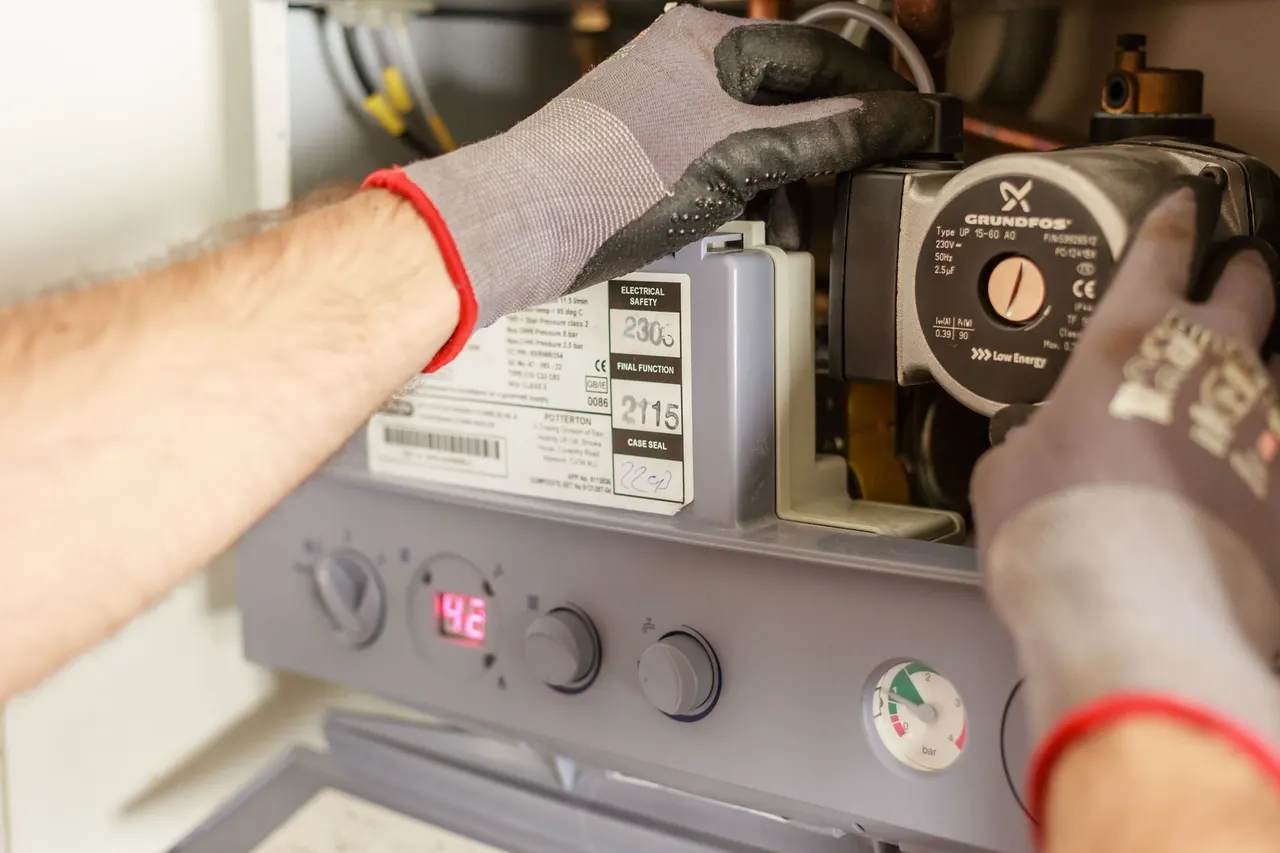
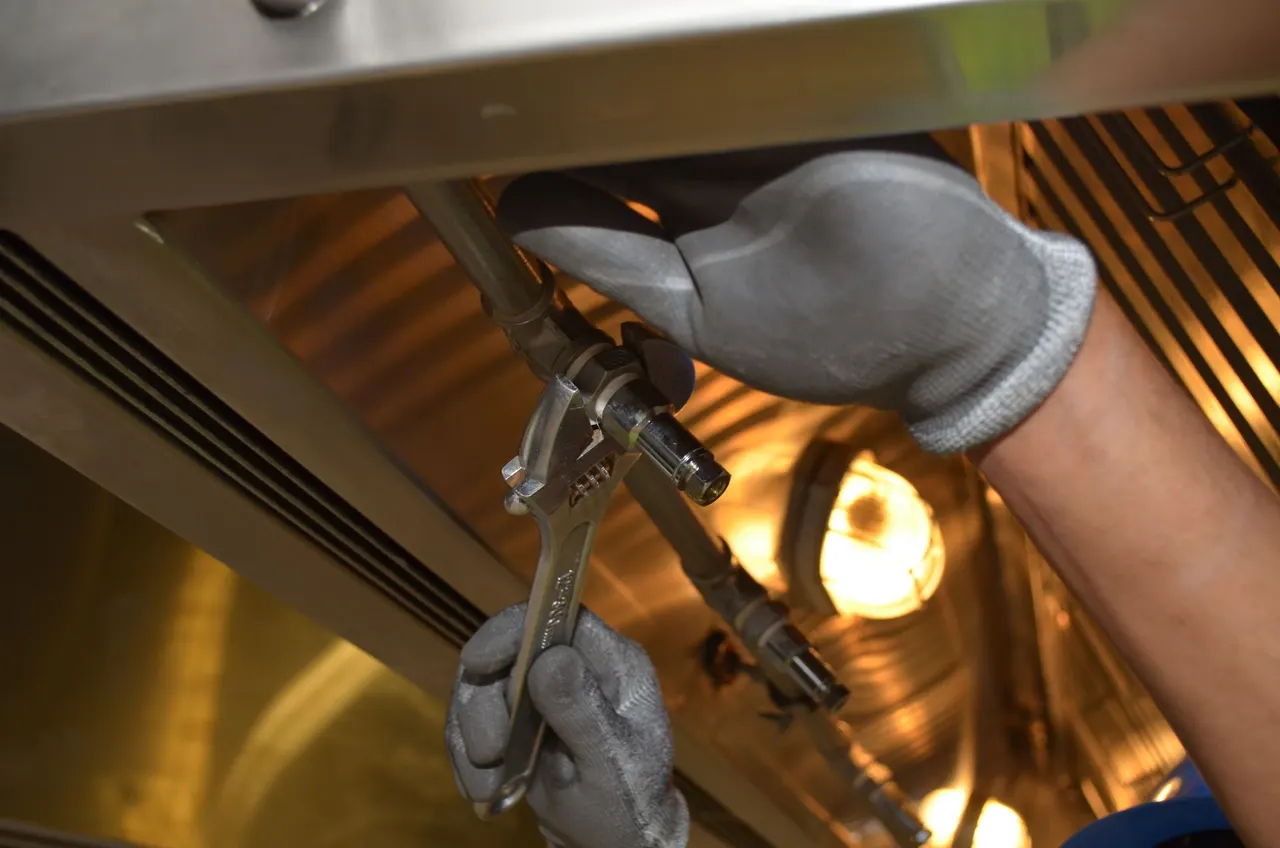
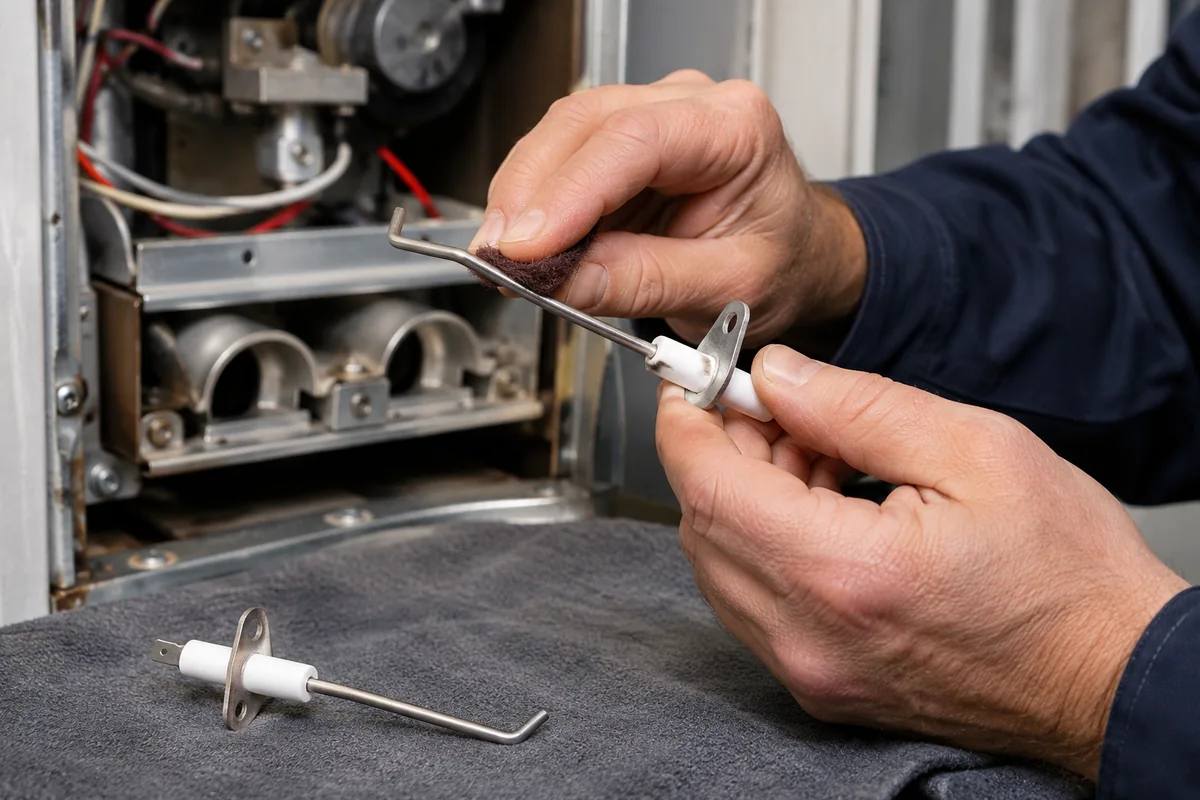
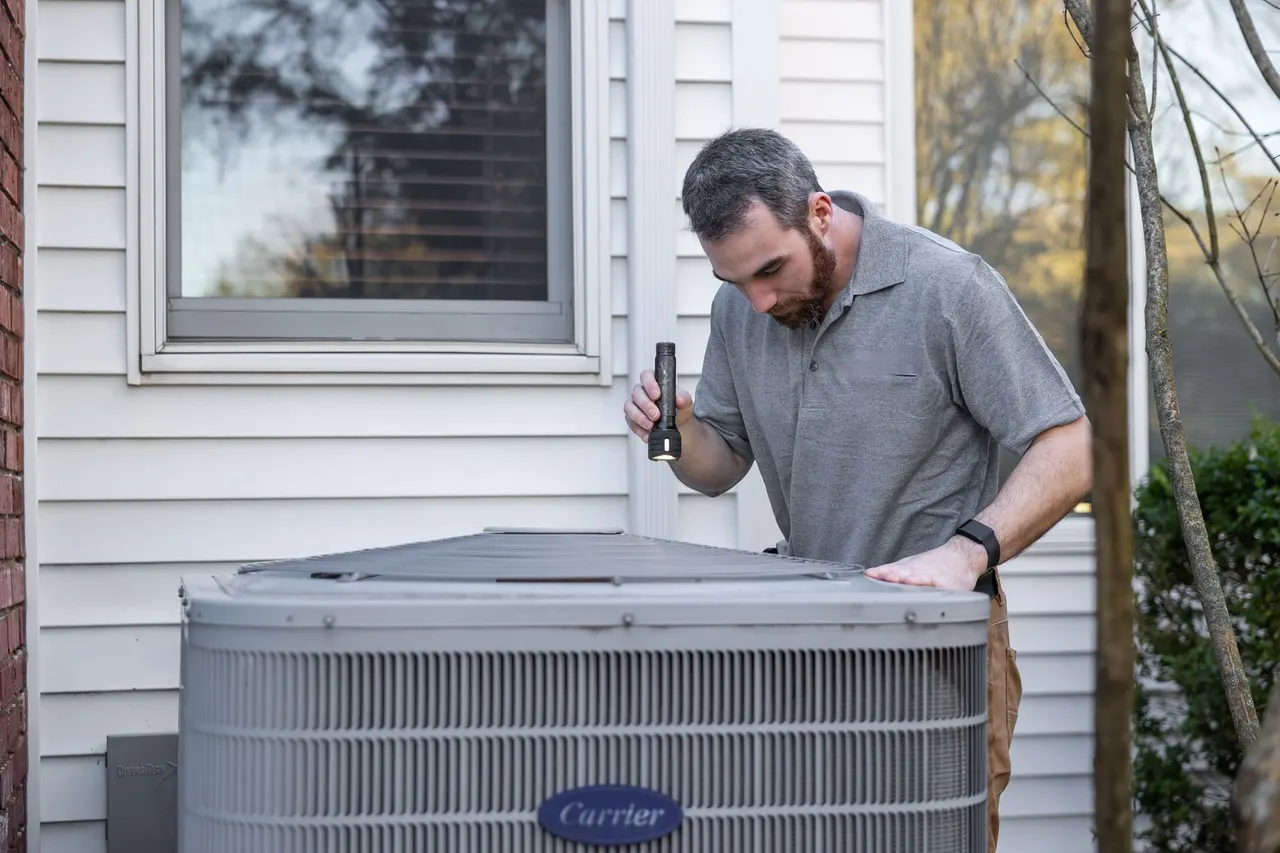
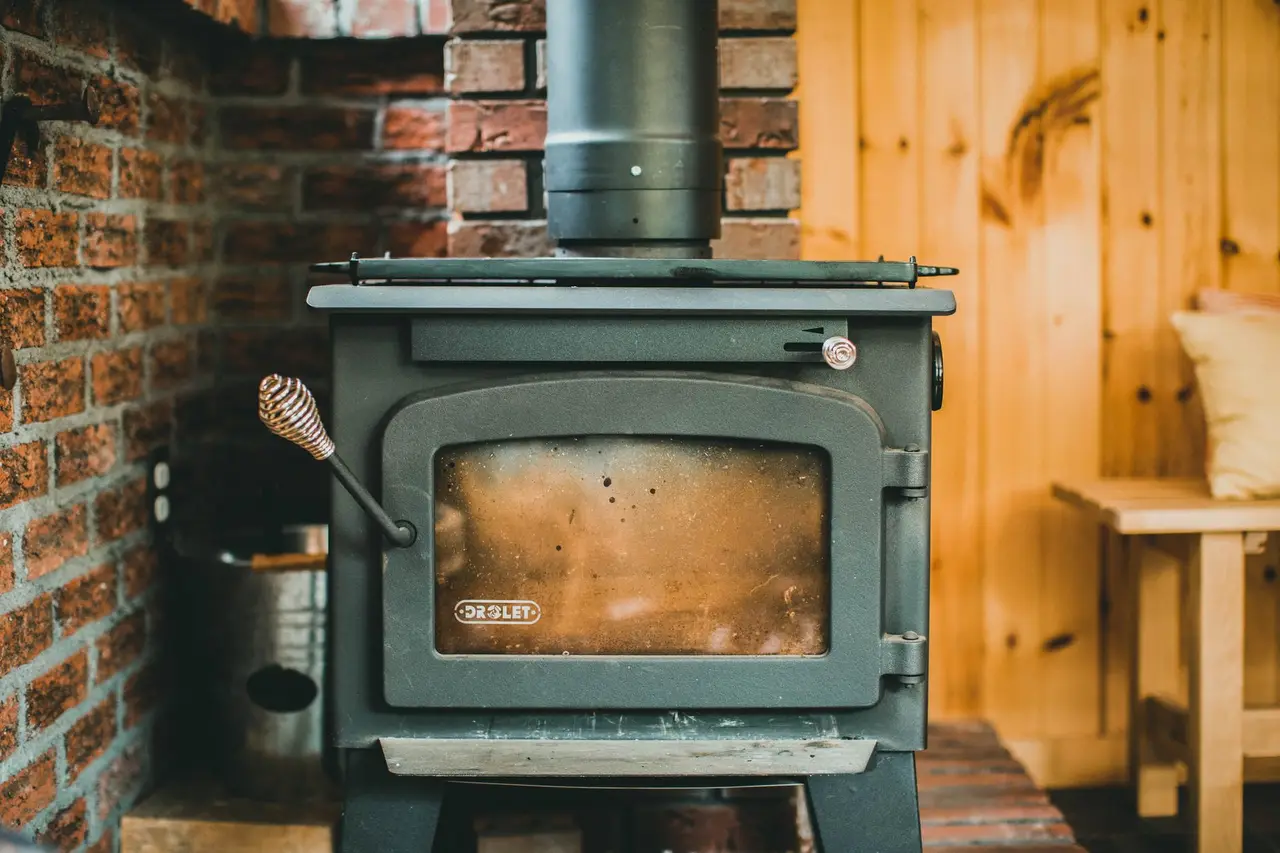
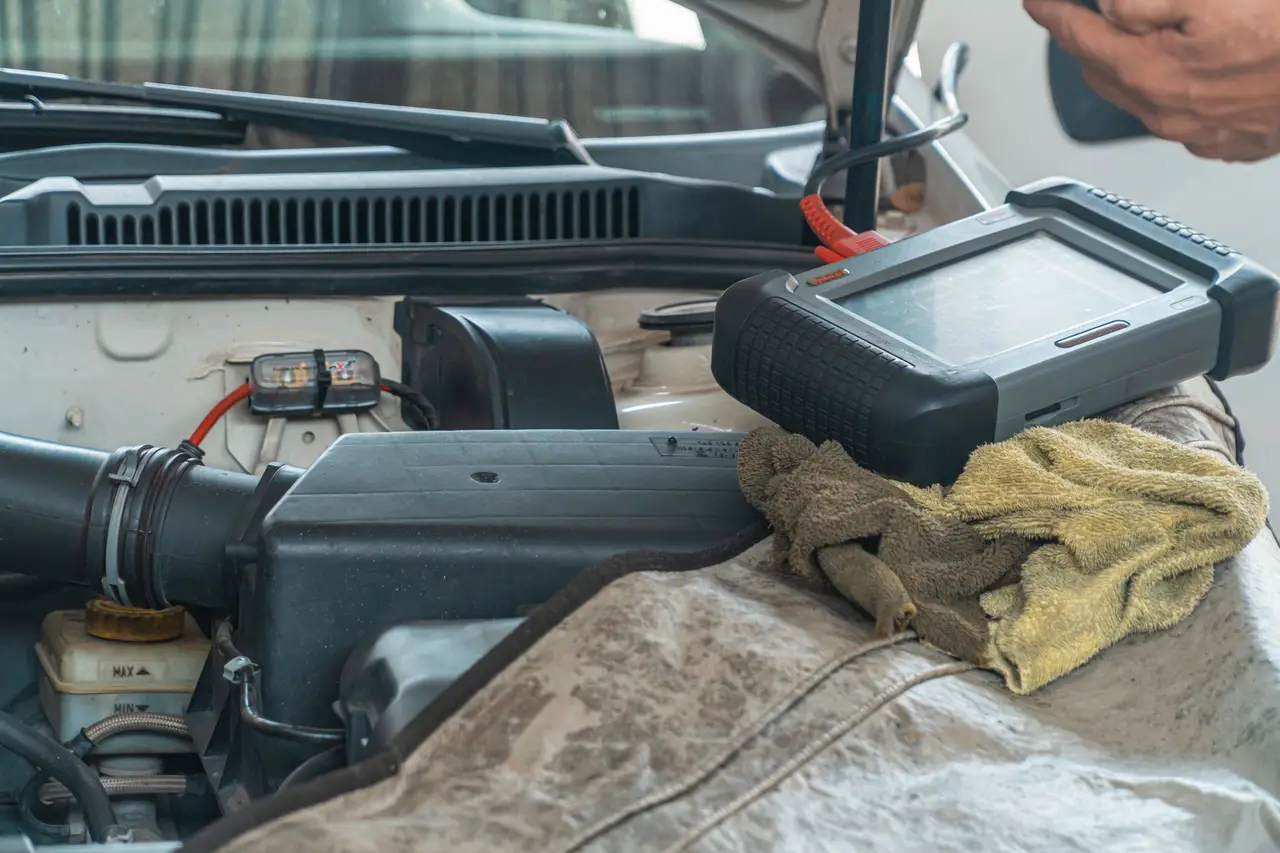
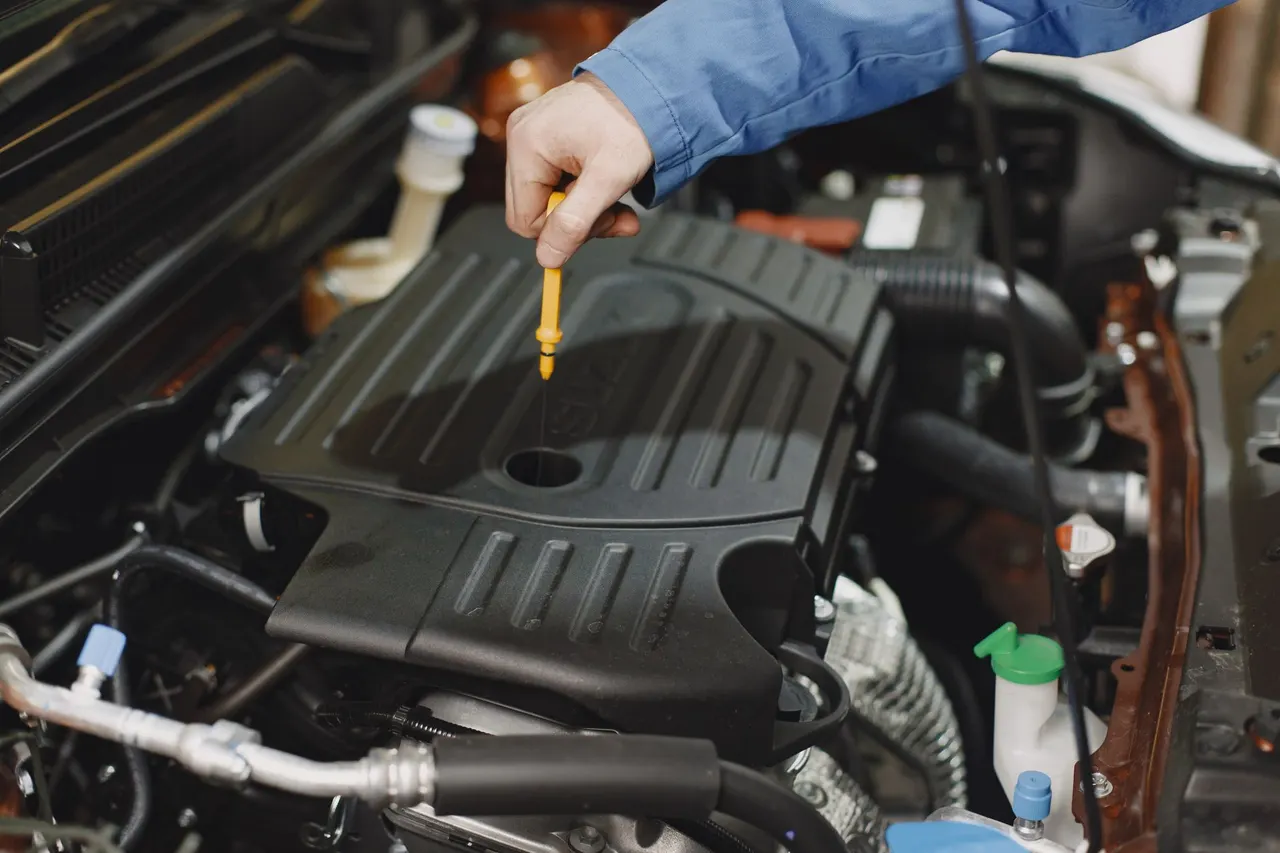
Electric Furnace Repair in Boise gets your heat back when the system runs cold, trips a breaker, or cycles too often. We inspect electric furnaces for homeowners and property managers across Boise, Idaho, then explain the fault and repair options in plain language. Our electric heating repair Boise service focuses on the electrical controls, airflow, and heating components that determine whether your home warms evenly and safely.
Explains readingsConnects test results to the fault
Protects the areaKeeps tools and parts organized
Checks airflowLooks beyond the furnace cabinet
Tests operationObserves a complete heating cycle
What Electric Furnace Repair Includes
Electric furnace repair covers diagnosis of the heating call, electrical controls, blower and airflow, and the component causing the reported problem. We complete the approved repair and check system operation afterward. Replacements of unrelated equipment, duct alterations, and broader electrical work outside the furnace are separate projects; we explain when findings point beyond the immediate repair.
System Fault Diagnosis
We review your symptoms and check the thermostat signal, power, control sequence, and furnace operation. The diagnostic work aims to identify why the system stopped heating, cycles repeatedly, or trips a breaker before any repair is selected.
Electrical Component Testing
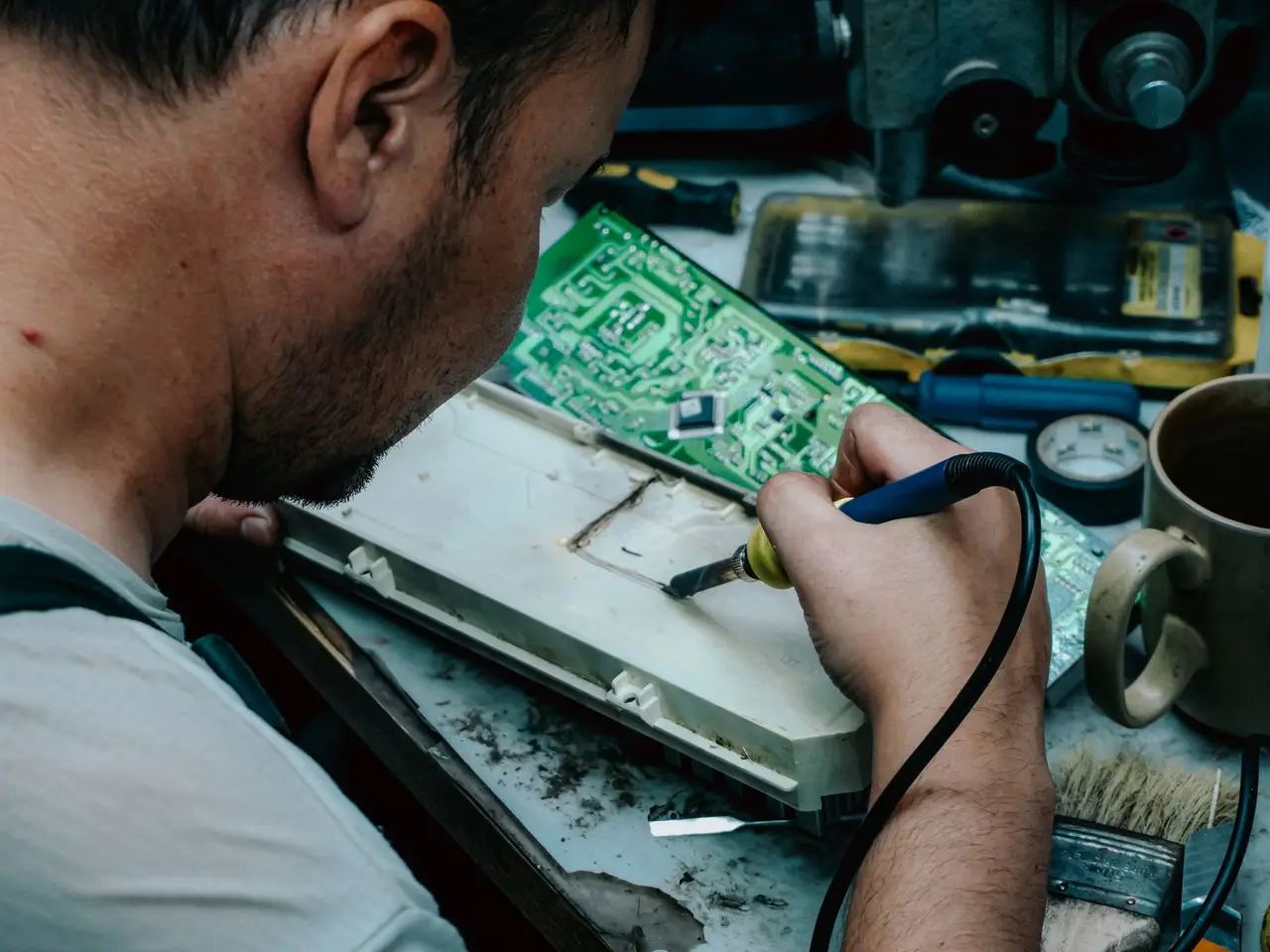
We test accessible connections, relays, controls, and heating circuits with appropriate meters. Readings help distinguish a failed component from a loose connection or an upstream power issue, reducing the chance of replacing a working part.
Airflow Inspection
We inspect the filter, blower response, and return-air path for restrictions that can reduce heat delivery or cause overheating. If duct access or a separate airflow project is needed, we explain the finding and its effect on the repair.
Approved Component Repair
With your approval, we repair or replace the failed furnace component identified during diagnosis. The exact part depends on the model and measured fault; we do not assume that a symptom such as cold air means the same part failed in every system.
Operating Cycle Check
After the repair, we call for heat and observe the furnace's response, blower operation, and delivered air temperature. We review the result with you and point out any remaining condition that needs a separate repair or follow-up.
Homes and businesses.
The approach is the same for a home and a business. What changes is the access, the schedule and who needs the paperwork.
For Homes
We check how the furnace serves your rooms, including thermostat settings, filter condition, and cold-air complaints. You can point out unusual sounds or uneven temperatures.
Cold rooms or weak supply air
Furnace stopping before warming the home
Breaker trips during a heat call
For Businesses
We review the affected area, operating schedule, and access to the furnace with owners or property managers. Our checks focus on restoring heat and documenting the equipment response.
Heating interruptions in occupied spaces
Repeated shutdowns during business hours
Tenant reports of cool supply air
Electric Furnace Repair in Boise Explained
A plain-language look at what Electric Furnace Repair involves and when it is needed.
Electric Furnace Repair in Boise is a heating-system repair service that identifies and corrects electrical, airflow, control, or component faults that prevent an electric furnace from heating properly. We check the thermostat call, power supply, sequencers and control board, blower operation, filter condition, and safety limits before recommending a repair. A digital multimeter helps us verify voltage and continuity rather than guess at a failed part. Once the fault is identified, we explain the work and test the furnace through a heating cycle so you know what changed.
Boise's cold November nights and winter temperature swings put extra demand on systems that have been idle or poorly maintained. A clogged filter, faulty thermostat, loose electrical connection, or blower motor failure can leave one room cold while another overheats. We see these issues in older Boise homes as well as newer additions with mismatched airflow. If you search for electric furnace repair in Boise ID because the furnace runs but the vents blow cool air, we trace the cause before replacing components.
Accurate electric furnace repair starts by tracing the heat call, measuring the fault, and checking the system after repair.
What it is
Diagnosis and repair of electrical, control, airflow, or heating faults in an electric furnace.
When you need it
When the furnace will not heat, cycles repeatedly, blows cool air, or trips a breaker.
What to expect
A symptom review, measured tests, an explained repair, and an operating-cycle check.
What to Expect During a Visit
Electric furnace service in Boise follows a practical sequence: hear what you have noticed, test the system, locate the fault, complete the approved repair, and verify operation. Most diagnostic visits take about 45 to 90 minutes; straightforward repairs often add one to three hours, depending on access and parts.
Listen and Inspect
We start by asking what changed, when the problem began, and whether the thermostat, breaker, or airflow has behaved differently. Then we inspect the furnace, filter, visible wiring, and nearby return and supply paths. You can point out cold rooms or unusual sounds, which helps us focus the first tests instead of treating every call as the same fault.
Symptoms
Walk-through
Visual check
Test the Electrical System
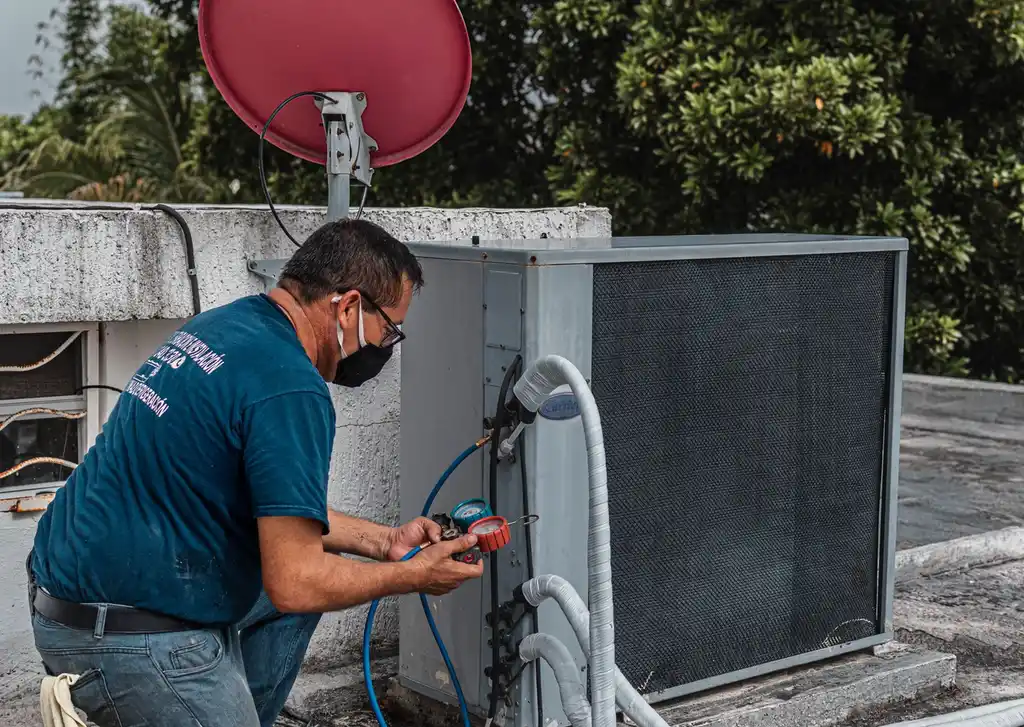
Our technician checks the call for heat, line voltage, control response, and current draw with a digital multimeter and clamp meter. We look for loose terminals, failed relays, and a control board that is not sending the correct sequence. We explain what each test shows as we work, so the diagnosis is based on readings rather than a parts guess.
Voltage
Controls
Current
Trace Airflow and Heat
We examine the filter, blower, duct connections, and temperature change across the furnace. An infrared thermometer helps identify uneven surface temperatures, while a static pressure gauge can reveal airflow restriction when needed. These checks distinguish a heating-component fault from a distribution problem that would remain even after a new part was installed.
Filter
Air path
Temperature
Explain and Repair
After locating the fault, we describe the repair, the part required, and the price before proceeding. With your approval, we repair or replace the affected electrical or mechanical component and secure connections. A common repair takes one to three hours once diagnosis is complete; unusual access or a special-order part changes the schedule.
Findings
Approval
Repair
Verify the Cycle
We restore power, call for heat, and observe the furnace through its operating sequence. We check that the blower starts and stops correctly, warm air reaches the supply, and safety controls respond. Before leaving, we review the completed work and any practical maintenance steps, such as when to check the filter again.
Heat call
Cycle check
Review
Tools and Diagnostic Methods
Move across a circle, or focus it and press Enter, for an illustrative thermal view of the photograph.
Digital multimeter
Measures voltage, continuity, and resistance at accessible controls and circuits so we can distinguish an electrical fault from a thermostat or component problem.
Clamp meter
Measures current draw without disconnecting a conductor, helping us assess whether a motor or heating circuit is operating as expected.
Infrared thermometer
Checks surface temperatures around the furnace and supply system to help identify uneven heating or a temperature pattern that needs closer inspection.
Static pressure gauge
Measures pressure conditions across the air path when airflow restriction is suspected, helping separate duct or filter problems from an electrical heating fault.
Carrier and Trane service references
Model-specific service information helps us interpret control sequences and component specifications for common equipment without assuming every furnace is wired the same way.
Thermal views are illustrative, generated from the photographs.
Methods
Electrical sequence tracing
We follow the call for heat from thermostat demand through the furnace controls to the heating components and blower. At each stage, readings show whether the correct voltage and response are present. This isolates a failed control, connection, or component instead of treating the entire furnace as one undifferentiated problem.
Airflow and temperature assessment
We inspect the filter, return path, blower, and supply delivery, then compare temperatures where the system operates. When measurements point to restricted airflow, we identify the obstruction and its effect on the furnace. This matters because poor airflow can mimic a heating failure or trigger a limit shutdown.
Safety and code awareness
We work with the manufacturer's installation and service information and consider applicable requirements, including the International Mechanical Code where relevant. Electric equipment differs from fuel-fired systems; the National Fuel Gas Code and NFPA 54 apply to gas work, not electric heating circuits. We keep the inspection specific to the equipment installed.
Repair and operational verification
After the approved repair, we restore the system and observe its heating cycle, controls, blower response, and delivered air. We check that the original symptom has changed and tell you about any remaining issue. This final verification makes the repair outcome visible before we leave.
When to Call for Electric Heating Repair
Overnight no heat
A North End homeowner wakes to a cold house after the electric furnace stopped overnight.
We begin with the thermostat call, breaker status, and furnace controls, then test the power and heating sequence. We look for a fault that prevents heat from starting and explain the repair before proceeding. If the home has a second heating source, tell us so we can include its operation in the discussion.
Outcome: You get a diagnosis tied to the actual no-heat condition and a clear next step for restoring heat.
Cool supply air
A Boise Bench family notices the blower running while the supply air stays cool.
We check whether the thermostat is calling for heat and whether the heating circuit responds. Then we inspect controls, electrical connections, and airflow to distinguish a heating failure from a circulation problem. The technician explains what the tests show and verifies warm-air delivery after the approved repair.
Outcome: The repair targets the cause of the cool air, rather than replacing a part based on the symptom alone.
Breaker trip
A property manager in Harris Ranch receives repeated breaker-trip reports from a rental.
We inspect the furnace circuit and test its current draw before restarting the system. Our technician checks for a fault at the furnace controls or component and explains if a separate electrical issue needs attention. We can also share a concise work summary for the property record.
Outcome: You have a documented finding and a safer repair path for the rental's heating equipment.
Short cycling
An East End resident hears repeated starts and stops during a cold November evening.
We check the thermostat setting, filter, airflow, and limit response, then observe how the furnace behaves during a call for heat. If restricted airflow is causing the cycle, we address the obstruction; if a control is failing, we identify it and explain the repair.
Outcome: You learn why the furnace is cycling and what is needed to support a complete heating cycle.
North EndBoise BenchHarris Ranch
How Electric Furnace Repair Works in Boise
Electric heating repair Boise homeowners need often begins as colder nights arrive in November, when systems that sat idle through warmer months are asked to run for longer cycles. Boise's winter cold and temperature swings make weak airflow, loose connections, or worn controls more noticeable.
We ask whether the issue affects the whole home or only certain rooms, then inspect the equipment and the air path serving those spaces. Older homes around the North End and Boise Bench may have additions or duct layouts that affect delivery; newer properties can still develop control or filter problems.
We provide electric furnace repair in Boise ID by testing the installed equipment, not by assuming the same fault across every neighborhood. Ada County properties also have varied access to furnaces, from closets to utility rooms, so clear access helps the visit proceed efficiently. We keep electric and fuel-fired diagnostic methods separate and follow applicable equipment instructions and local requirements.
North End: Older homes and later additions can create uneven airflow. We ask which rooms stay cold and check the return path as well as the furnace.
Boise Bench: A mix of home layouts means furnace access and duct runs vary. Clear details about the equipment location help us plan the inspection.
Harris Ranch: Newer construction still depends on clean filters and correctly responding controls. We check the full heating sequence when a system stops or cycles.
Warm Springs Mesa: Temperature differences between rooms can point to airflow as well as a furnace fault. We compare the reported symptoms with system operation.
Cold November nights increase demand on systems restarting after mild weather: A furnace that appeared fine during short test runs may reveal a weak connection or control issue during longer heating cycles. We observe the system operating rather than relying only on a brief startup.
Boise homes vary in age, access, and duct configuration: An addition, closed return path, or tight utility closet can affect diagnosis and airflow. We consider the installation around the furnace so the repair addresses both the component fault and its operating conditions.
We review the symptoms and locate the furnace with you.
We protect the work area and set up diagnostic tools.
We check operation, explain findings, and review next steps.
From problem to finished result.
IllustrativeThe thermal view is generated from the photograph. It is not a measurement. Drag the handle, or use the arrow keys once it is focused.
Cold Air After a Control Fault
Before: A Boise homeowner reported that the furnace blower ran but the rooms stayed cold. The thermostat was calling for heat, yet the heating sequence did not complete. Without testing the controls and electrical response, replacing a heating element would have been guesswork and could have left the original fault unresolved.
After: We traced the control sequence and found the failed component preventing heat operation. After the approved repair, the furnace completed a heating cycle and delivered warm air at the supply registers. The homeowner could feel the difference during the visit and received an explanation of the fault and completed test.
Keep the thermostat unobstructed and check the filter monthly during heating season. If the blower runs without warm air again, note the timing and any control display before calling.
Short Cycling from Restricted Airflow
Before: A Boise Bench system started and stopped repeatedly, leaving bedrooms cooler than the main living area. The filter was heavily loaded, and the furnace's airflow was restricted. Continued cycling risked disrupting comfort and kept the household unsure whether the furnace had an electrical failure.
After: We inspected the filter and airflow path, addressed the approved restriction, and watched the system complete its heating cycle. The furnace ran continuously through the check instead of shutting down early, and warm air reached the supply registers. We explained how filter condition affected the symptom.
Check the filter monthly while the furnace is in regular use, then replace it according to its type and condition. Keep return grilles clear of furniture and stored items.
Breaker Trips on Heat Call
Before: A Harris Ranch tenant reported that the breaker tripped whenever the furnace called for heat. Repeated resets did not restore dependable operation and could not explain whether the issue came from the furnace or its circuit. The property manager needed a specific finding before authorizing work.
After: We measured current draw and inspected the furnace's accessible connections, then isolated the faulty component. After the approved repair, the furnace started and completed its operating check without repeating the reported trip during the visit. The manager received a summary of the finding and repair.
Do not repeatedly reset a breaker that trips on a heating call. Record when it happens and whether the furnace starts first, then share those details so diagnosis can begin safely.
Solve Cold-Air and Cycling Problems
A furnace fault can leave the whole house cold, create uneven room temperatures, or repeatedly interrupt heating. Electric furnace repair in Boise starts with the symptom you see and traces it through controls, electrical supply, and airflow. We explain what needs attention and what can wait.
Cool airElectric furnace runs, but supply vents keep blowing cool airRooms lose heat while the blower continues to move air, and a control or heating fault can worsen if the system keeps cycling without diagnosis. We verify thermostat demand and power, then test the furnace's heating sequence and component response. If a control board or heating circuit is not operating correctly, we identify the failed point and discuss the repair. We also check airflow so a blocked filter is not mistaken for a failed heating component.
Short cyclingFurnace short cycling leaves Boise rooms unevenly warmFrequent starts and stops reduce comfort and place extra operating demand on controls and the blower, especially during sustained winter heating. We check the filter, airflow, thermostat location, and limit-control response to find why the cycle ends early. A static pressure gauge can help reveal restricted airflow when needed. After correcting the cause, we observe a complete heating cycle and explain any maintenance that supports steady operation.
Breaker tripsBreaker trips whenever the electric furnace calls for heatRepeated resets can expose a wiring or component fault to continued stress and leave the home without dependable heat. We do not keep resetting a breaker to see if the furnace stays on. We inspect the affected circuit and test current draw and connections with a clamp meter and digital multimeter. Once we isolate the fault, we explain the repair and recommend a qualified electrical evaluation if the issue is outside the furnace.
Restricted airflowClogged air filter reduces warm airflow through the houseRestricted airflow can cause weak heat at registers, overheating, or a safety limit shutdown, even when the heating elements still operate. We inspect the filter and blower path, then check whether airflow restriction is affecting furnace operation. We replace or address the filter as authorized and verify the system's response. We also show you how to check the filter regularly, with replacement frequency guided by the filter type and household conditions.
Repairs That Restore Reliable Heat
Measured diagnosis and a complete cycle check help restore heat without guesswork.
Find the Actual Fault
We test the thermostat, electrical connections, and heating controls before selecting a part. A clamp meter can show whether a circuit is drawing the expected current, while temperature checks help reveal uneven output. This is useful when your electric furnace keeps shutting off or produces heat only in short bursts.
Restore Even Airflow
Restricted airflow makes an electric furnace work harder and can trigger a limit switch. We inspect pleated furnace filters, blower operation, and return-air paths, then identify what is restricting circulation. The result is steadier heat delivery through the rooms your system serves, not simply a warmer reading beside the furnace.
Protect Electrical Components
Repeated breaker trips, buzzing, or a burning odor deserve prompt attention. We isolate the affected circuit and examine wiring, terminals, and controls for heat damage or loose connections. Finding an electrical fault early can prevent it from damaging a control board or interrupting heat during a cold Boise night.
Know What Happens Next
Before repair, we describe the diagnosed problem, the parts involved, and the expected test procedure. You get straightforward pricing before authorized work begins, then a heating-cycle check after completion. That makes it easier to decide whether to repair an aging unit or discuss a larger replacement separately.
What you receive
Clear records you can keep and share.
Service notes
Summary of symptoms, findings, and work completed
Test record
Key operating checks completed during the visit
Part details
Identification of the repaired or replaced component
Next steps
Practical maintenance observations for the system
Separate Heat Faults from Airflow Faults
Cold air can come from a failed heating control or restricted circulation; testing both helps pinpoint the right repair.
Electrical
The furnace does not complete its heating sequence.
Check control response
Measure circuit behavior
Inspect accessible connections
Airflow
Heat is produced but does not circulate correctly.
Inspect filter condition
Check blower operation
Review return-air path
Control
Thermostat demand or safety response interrupts operation.
Confirm heat call
Trace control sequence
Observe cycle behavior
System components
Thermostat
Control board
Blower motor
Pleated filter
Heating elements
Limit switch
Return grille
Supply register
Service ZIP codes.
A list like this tells people straight away whether you cover their street. Not listed? Call and ask: it only takes a minute.
Edge heating and cooling system provides electric furnace repair in Boise for residential and light commercial systems. We inspect the thermostat signal, electrical controls, airflow, and heating components, then explain the repair before starting approved work. Our service covers Boise neighborhoods including the North End, Boise Bench, and Harris Ranch. Call (208) 218-0701 and tell us what the furnace is doing, such as tripping a breaker or blowing cold air.
A furnace that runs without heating often has a failed heating element, control fault, airflow restriction, or incorrect thermostat setting. First check that the thermostat is set to heat and that the filter is not visibly clogged; do not open electrical panels. For an electric furnace running but not heating in Boise, we test power and controls, then check the blower and temperature rise to isolate the cause.
Diagnosis, part availability, access, and whether wiring or a control board needs repair affect the total. We explain the fault and provide upfront pricing before approved work begins. A basic thermostat or connection issue costs less than replacing a major control or heating component.
Yes, same-day electric heating repair Boise is possible when a technician and the required part are available, and many common repairs take one to three hours after diagnosis. A failed standard control or loose connection is often simpler than a special-order component. Tell us the furnace brand, symptoms, and any breaker behavior when you call so we can prepare for the likely tests.
Restore Heat with Electric Furnace Repair in Boise
Tell us whether your furnace is blowing cold air, cycling, or tripping a breaker. Our team will diagnose the system, explain the repair, and provide upfront pricing before approved work. Call Edge heating and cooling system at (208) 218-0701 to arrange service.
Tell us what your furnace is doing, your Boise neighborhood, and when the heating problem began. Call (208) 218-0701 to discuss the repair request; our phone team will record the details and route your inquiry to an independent company. Phone response hours vary, so leave a message with your name and callback number if the line is busy. We will use the information to help direct the next step.