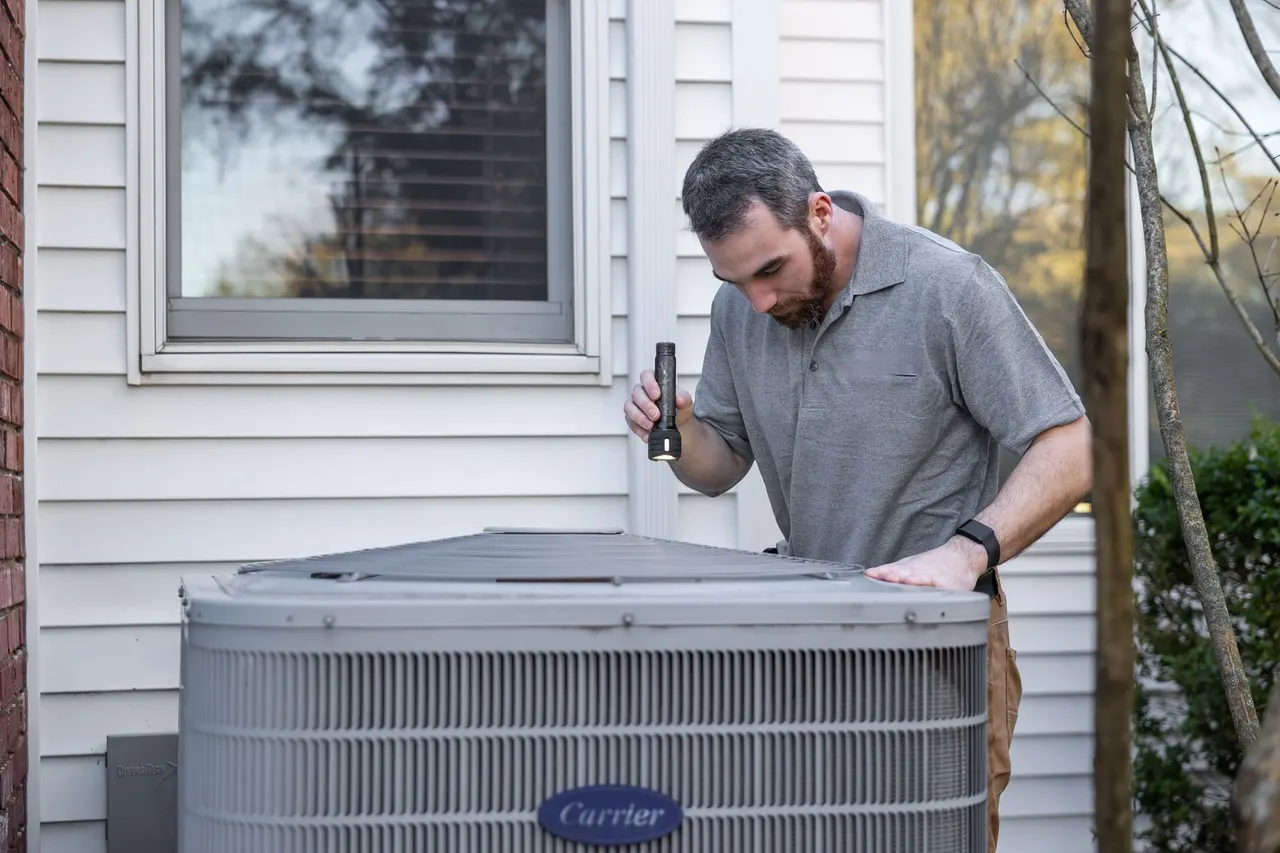
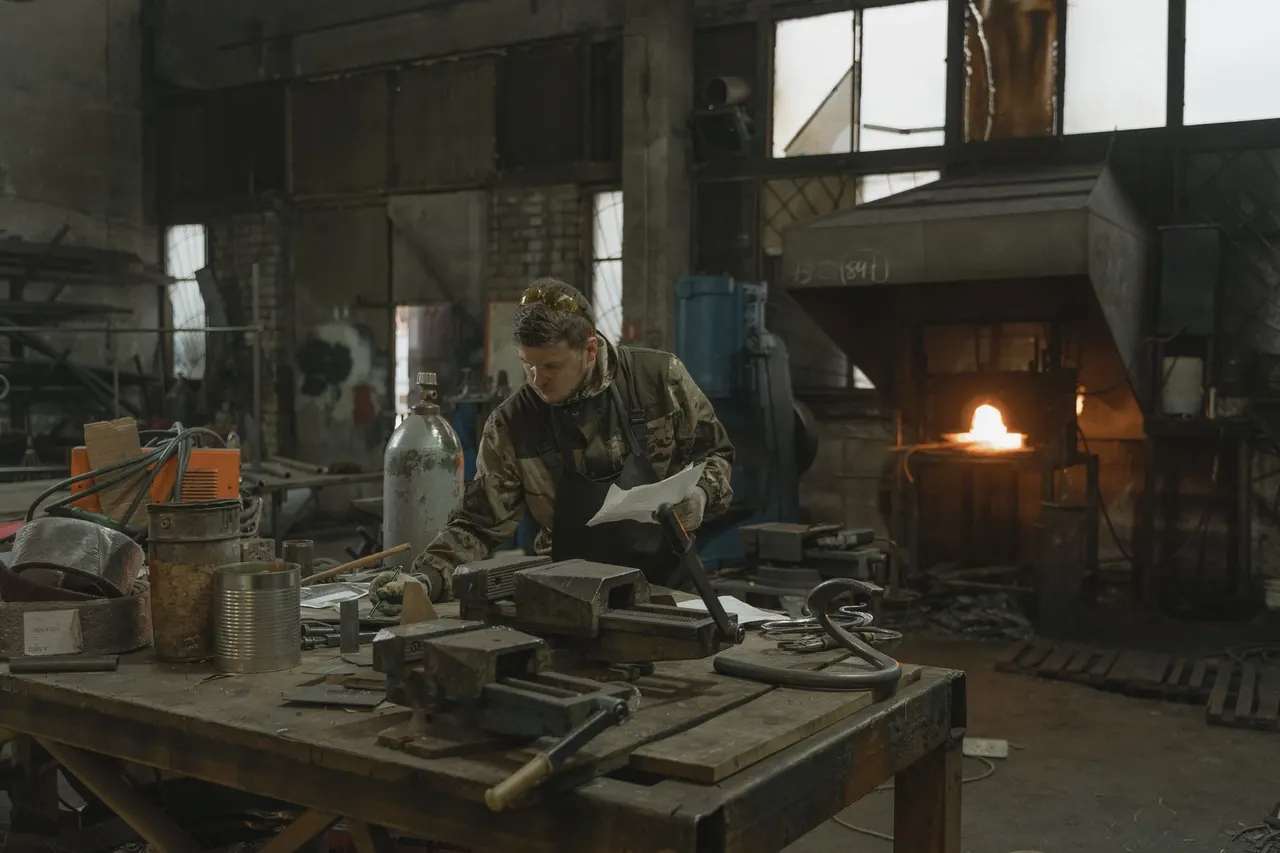
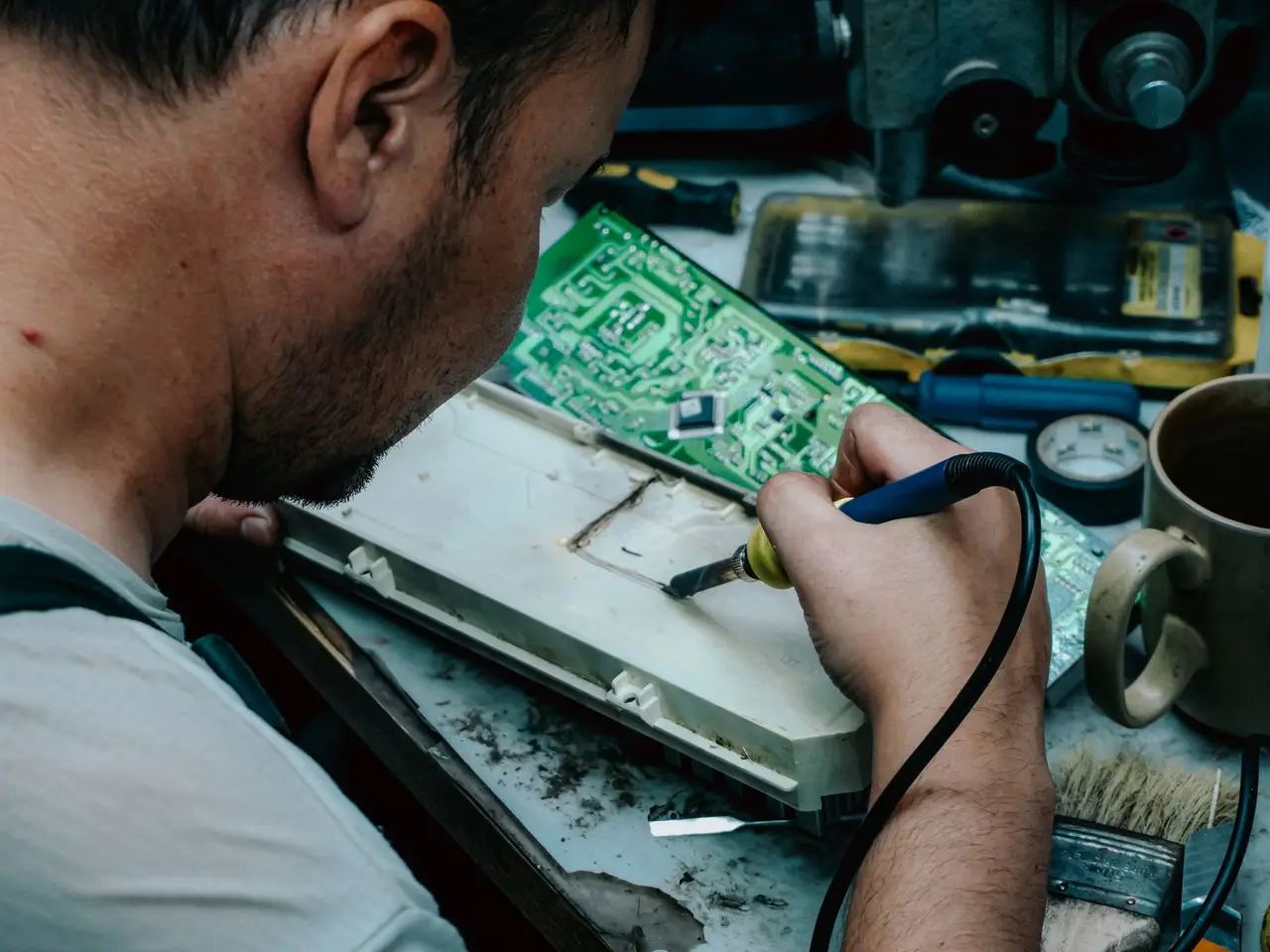
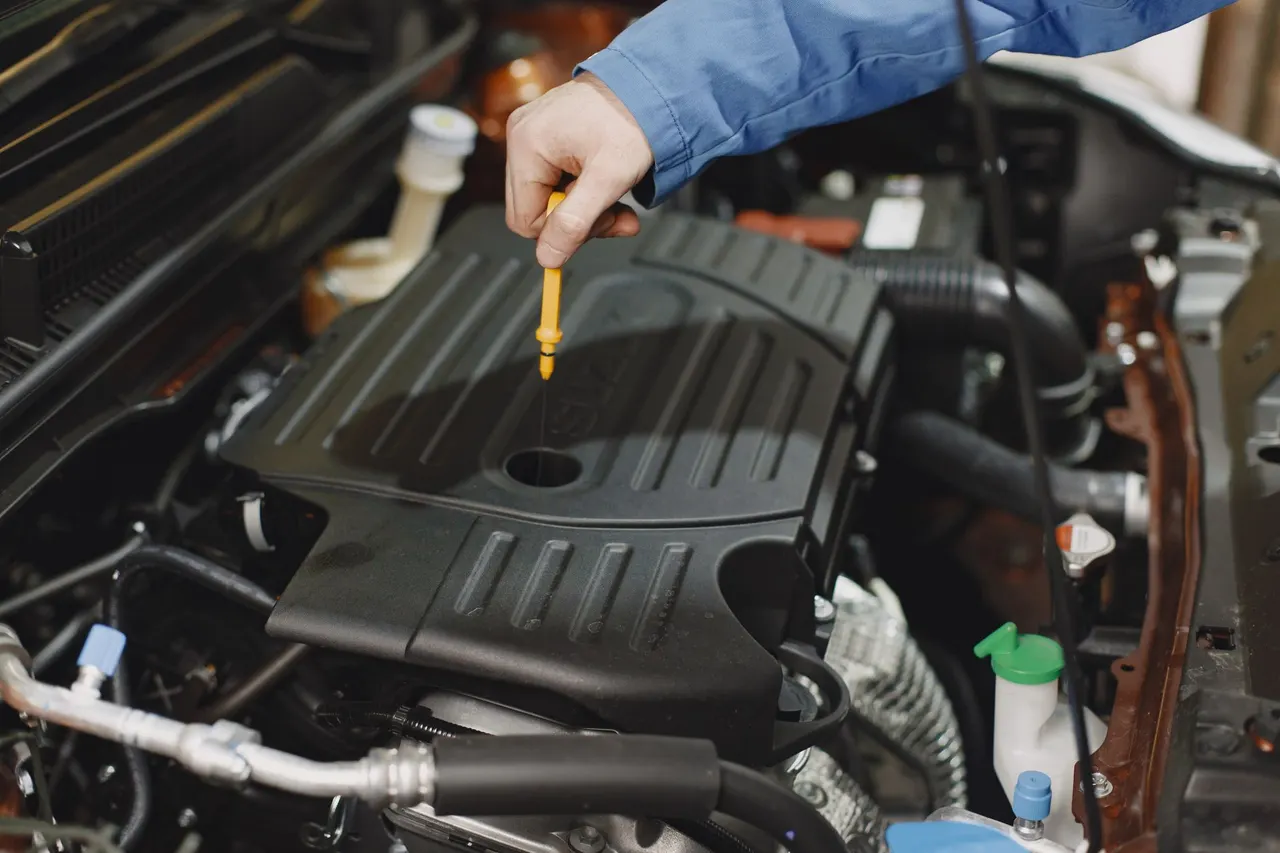
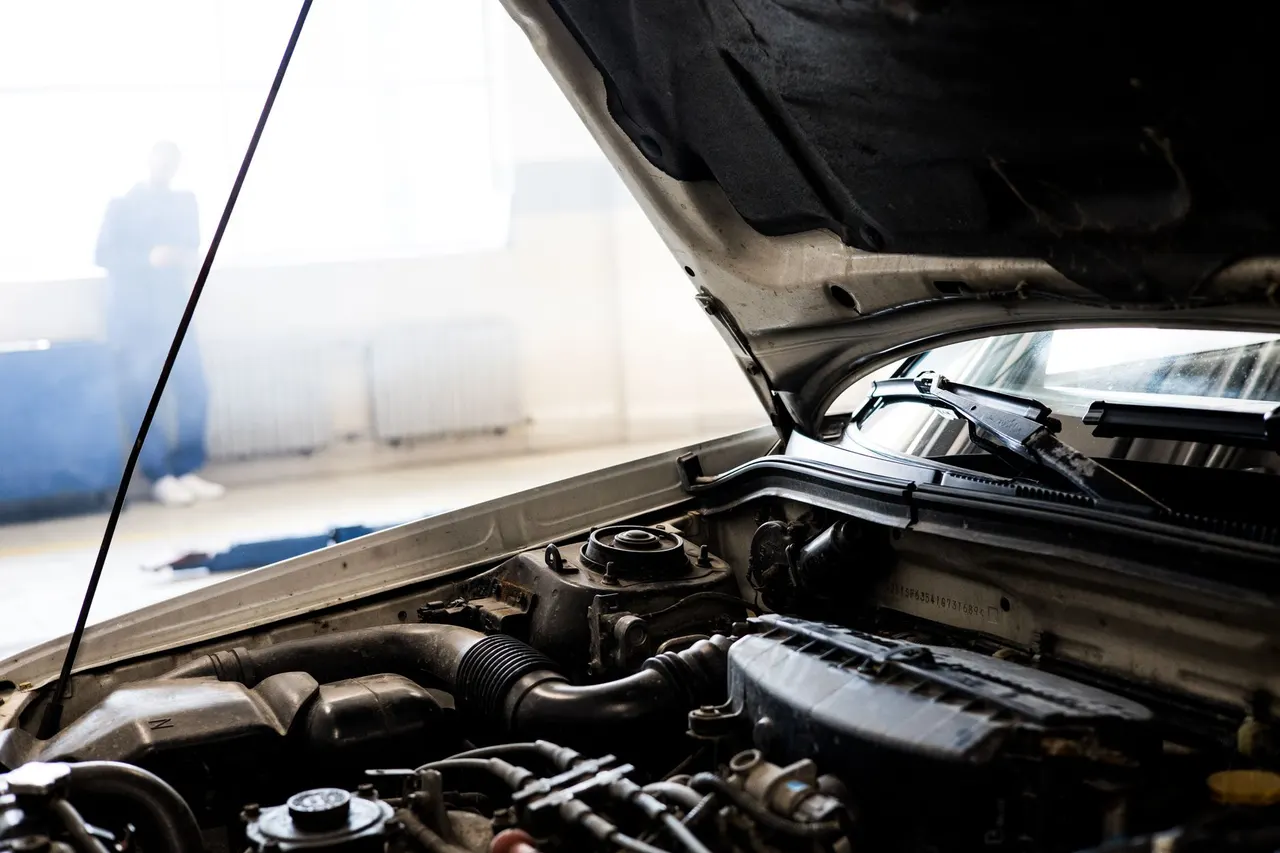
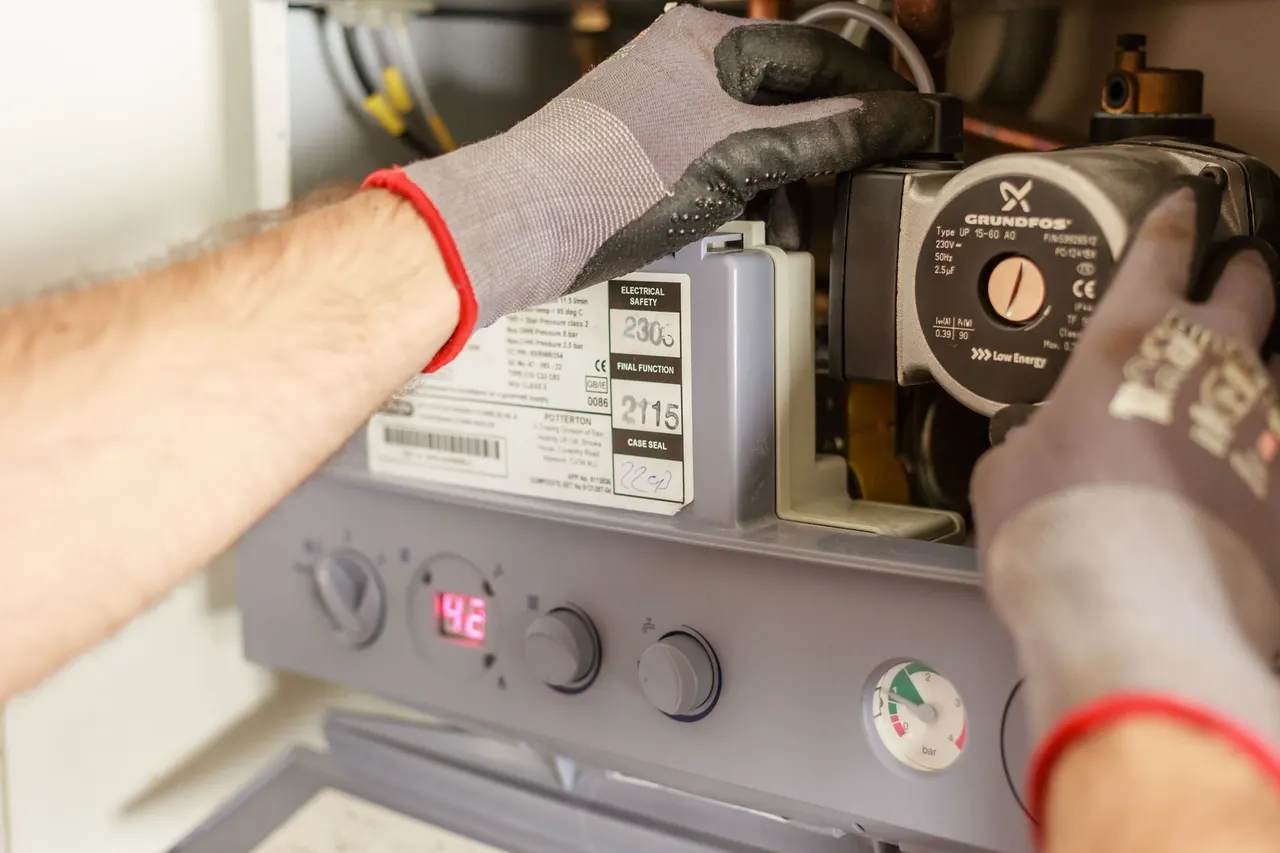
Furnace Diagnostics and Troubleshooting Boise ID helps homeowners and property managers get to the cause of cold air, repeated shutdowns, or a furnace that will not start. We inspect the heating sequence, test components, and explain the repair path in plain language. Our Boise furnace troubleshooting service is built for Idaho heating demands, whether your system has stopped overnight or is acting up before a cold spell.
Test before replacingMeasurements guide each repair recommendation.
Protect work areasTools and access stay organized.
Explain readingsYou hear what each result means.
Verify the cycleWe recheck operation after approved work.
What Furnace Diagnostics Include
A diagnostic visit covers symptom review, visual checks, system operation, and testing related to the reported fault. We identify what the evidence supports and explain the repair options. Replacement parts, extensive disassembly, or repairs are separate work discussed with you before proceeding; a diagnostic finding does not automatically mean a component needs replacement.
Symptom and Control Review
We ask what the furnace does during a call for heat and check the thermostat settings and signal. Your description of clicking, delayed starts, or room temperature changes helps us reproduce the fault and avoid overlooking an intermittent pattern.
Visual Safety Inspection
We inspect accessible cabinet areas, the filter, visible wiring, and vent connections for conditions related to the complaint. If something appears unsafe or damaged, we explain the observation and what additional assessment is needed before normal operation continues.
Electrical and Sequence Testing
We follow the furnace through its heating sequence and use appropriate instruments to test electrical signals and component behavior. This shows whether the fault occurs at the thermostat call, inducer stage, ignition, flame proving, or blower operation.
Airflow and Temperature Checks
We assess the filter and accessible airflow path, then compare operating temperatures where the complaint calls for it. These checks help distinguish restricted airflow from a burner or control issue and provide context for short cycling or cold rooms.
Findings and Repair Path
We explain the confirmed fault, the test that supports it, and the practical repair options. You can ask questions before deciding on additional work. After an approved repair, we run the relevant operating cycle and review the result with you.
Homes and businesses.
The approach is the same for a home and a business. What changes is the access, the schedule and who needs the paperwork.
Home systems
We trace heating problems in houses, condos, and rental homes while keeping you informed about each test. Tell us which rooms are cold and when the furnace changes behavior.
Furnace starts but will not stay lit
Cold air during a heat call
Uneven heat between rooms
Business systems
We investigate furnace complaints in offices and managed properties by checking operation and the reported schedule. Property contacts receive a clear summary of findings and practical next steps.
No heat during occupied hours
Repeated shutdowns in a tenant space
Uneven temperatures across rooms
Furnace Diagnostics and Troubleshooting Boise ID
A plain-language look at what Furnace Diagnostics and Troubleshooting involves and when it is needed.
Furnace Diagnostics and Troubleshooting Boise ID is a heating-system diagnostic service that identifies why a furnace is operating incorrectly or has stopped heating. We check the thermostat call, electrical supply, safety controls, ignition sequence, airflow, and venting before recommending a repair. A digital multimeter and temperature readings help us distinguish a failed component from a symptom caused by another fault. You get a clear explanation of what failed, what the readings show, and which next step addresses the cause rather than masking it.
Boise homes face sharp winter temperature swings, long heating cycles, and dust that can load pleated furnace filters and restrict airflow. A dirty flame sensor, faulty thermostat, or pressure switch failure can produce similar symptoms, so replacing parts by guesswork wastes time. Our furnace fault diagnosis Boise process follows the sequence of operation and checks safety devices before we recommend work. If you are wondering why is my furnace not working diagnostic service Boise, we trace the fault from the thermostat demand to the point where the cycle stops.
A sound diagnosis identifies where the heating sequence fails and what evidence supports the repair.
What it is
A structured inspection and test of furnace operation to identify the cause of a reported heating fault.
When needed
Schedule testing for no heat, short cycling, unusual startup behavior, or inconsistent air temperature.
What to expect
We review symptoms, test relevant components, explain findings, and check operation after approved work.
What Happens During a Visit
Our Boise diagnostic visit begins with your account of the symptoms and ends with findings you can act on. Most straightforward checks take about 60 to 90 minutes; intermittent faults or multi-stage systems can take longer. We keep you informed as we test, and we do not treat a symptom as a confirmed cause until the checks support it.
Review Symptoms
We ask when the problem began, what the thermostat displays, and whether the furnace clicks, starts, or shuts down. You can point out unusual sounds, cold rooms, or recent filter changes. This first conversation usually takes 5 to 10 minutes and helps us reproduce the fault safely instead of starting with assumptions.
Symptoms
Thermostat
Timing
Inspect the System
We check the thermostat, filter, electrical disconnect, cabinet condition, and visible venting before operating the furnace. An inspection mirror helps us view tight areas without forcing access. We also note the equipment make, model, and configuration, since a Carrier, Trane, or other system can use a different ignition and control sequence.
Visual check
Filter
Access
Test the Sequence
We call for heat and follow the furnace through inducer operation, pressure proving, ignition, flame sensing, and blower start. A digital multimeter checks electrical values, while a manometer helps evaluate pressure-related operation when needed. This step identifies the point where the cycle fails and often takes 20 to 40 minutes.
Sequence
Measurements
Fault point
Explain Findings
We show you the failed test or abnormal behavior and explain what it means for your heat. If a dirty flame sensor is preventing reliable flame recognition, we describe that finding separately from a failed ignitor or control board. You hear the recommended correction and any safety concern before deciding how to proceed.
Findings
Options
Questions
Verify Operation
After an approved adjustment or repair, we run the furnace through a complete heating cycle and recheck the relevant readings. We confirm that the thermostat call, ignition, blower, and shutdown sequence behave as expected. Before leaving, we review the result and point out any follow-up maintenance that can help prevent a repeat fault.
Run cycle
Recheck
Review
Tools and Test Methods
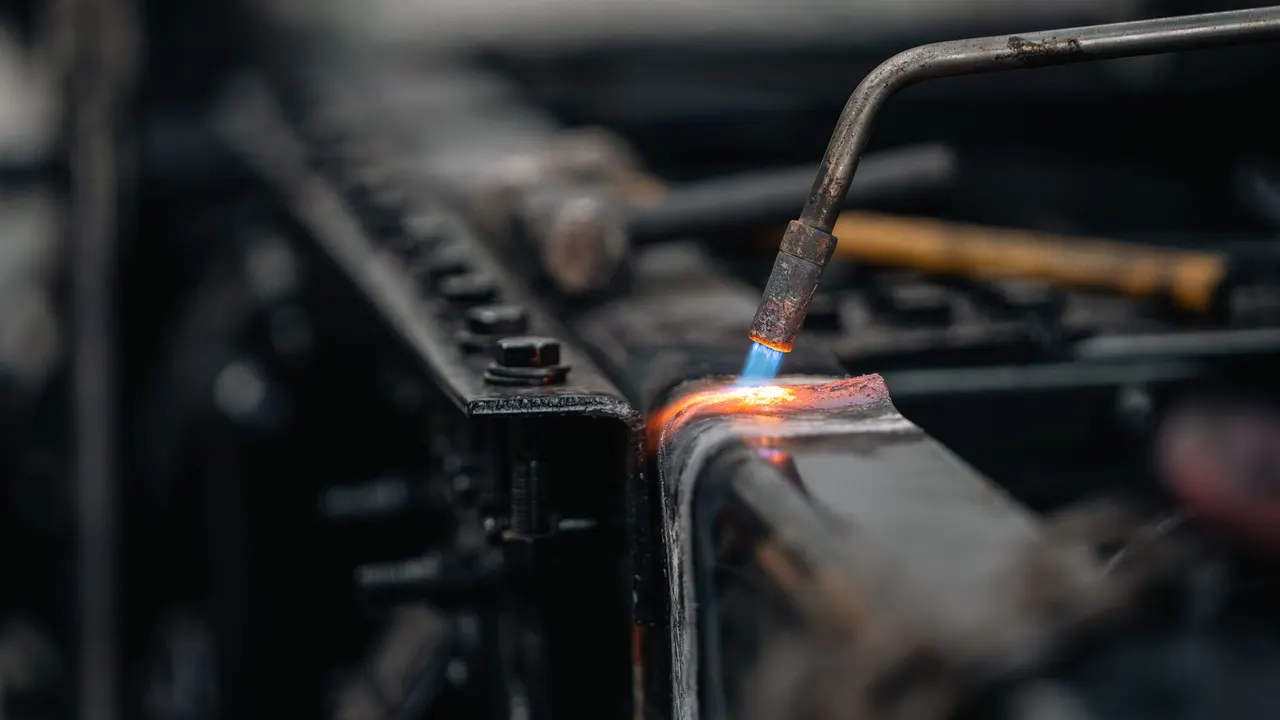
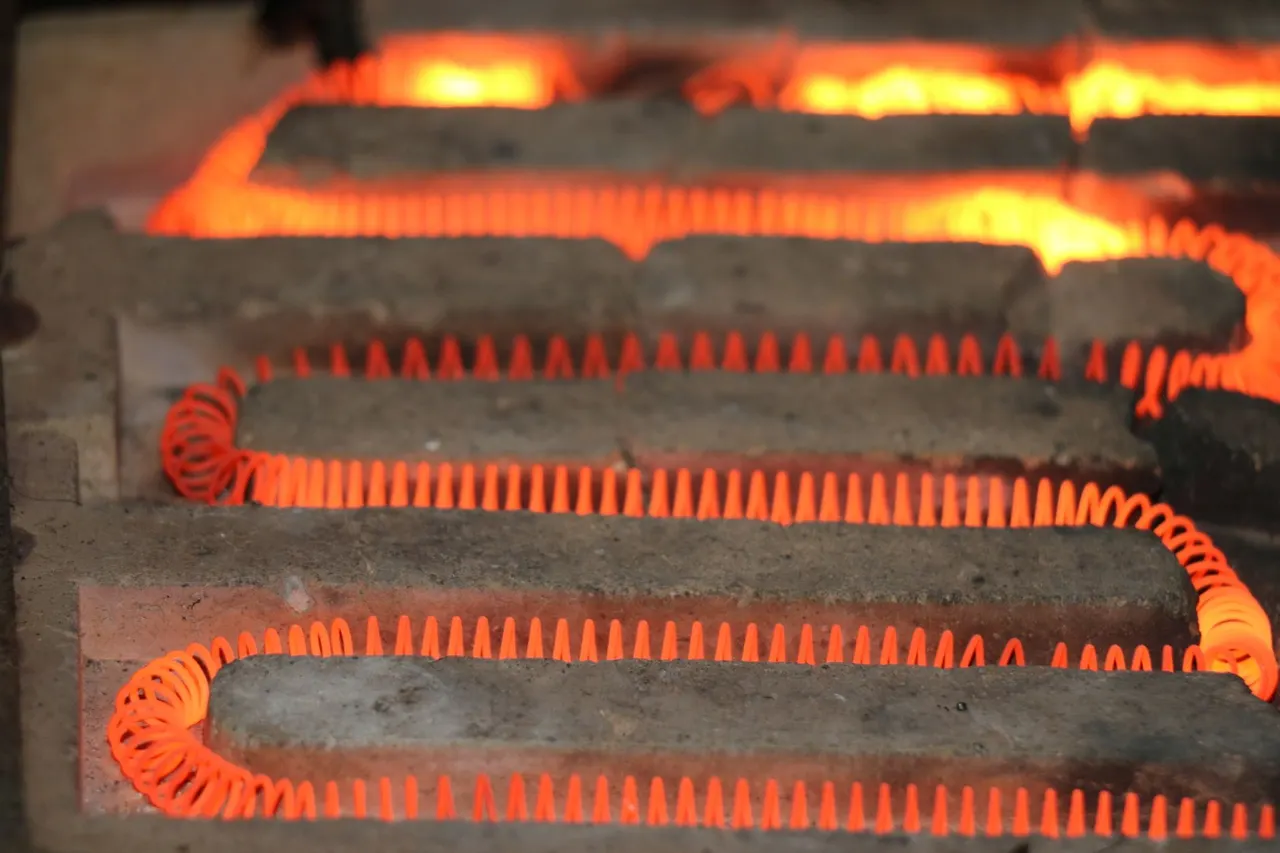
Move across a circle, or focus it and press Enter, for an illustrative thermal view of the photograph.
Digital multimeter
We use a digital multimeter to check voltage, continuity, and control signals at appropriate points in the heating sequence. These readings help distinguish an electrical fault from a component that is receiving the correct signal but not operating.
Manometer
A manometer measures pressure conditions relevant to draft and pressure-switch operation. We use it when the furnace symptom or control sequence calls for pressure testing, then compare the result with equipment requirements.
Combustion analyzer
A combustion analyzer evaluates combustion performance when the equipment condition calls for that check. Its readings add context to burner operation and help us identify concerns that a visual inspection alone cannot confirm.
Infrared thermometer
We use an infrared thermometer to check surface temperatures and compare heating behavior without touching hot components. Temperature observations help investigate uneven heating, overheating symptoms, or an unexpected difference between operating stages.
Static pressure gauge
A static pressure gauge helps assess airflow resistance when a system shows short cycling, weak delivery, or suspected restriction. We use the result alongside filter and blower checks rather than treating one reading as a complete diagnosis.
Thermal views are illustrative, generated from the photographs.
Methods
Heating-sequence tracing
We follow the manufacturer's sequence from thermostat demand through inducer operation, pressure proving, ignition, flame sensing, and blower start. Finding the exact step that fails narrows the cause and prevents a symptom-based parts swap. We compare observed operation with equipment specifications.
Electrical and control testing
We test relevant control signals, switches, and electrical components with appropriate instruments. Measurements are taken at the point needed to distinguish a failed component from missing power or a condition elsewhere in the system. We explain what each finding means before discussing a repair.
Combustion and safety review
When the symptom calls for it, we assess combustion behavior, visible venting, and safety-control operation. Work is informed by applicable requirements such as the National Fuel Gas Code and NFPA 54. Any concern affecting safe operation is explained clearly and addressed before treating the visit as a routine comfort repair.
Post-repair operating check
After approved work, we operate the furnace through the relevant cycle and recheck the condition that failed. We verify that the system responds to the thermostat, produces heat, and completes its sequence as expected. You hear the outcome and any maintenance step that supports continued operation.
When to Schedule Diagnostics
Intermittent ignition
Your North End furnace clicks several times at night but does not consistently light on the first call.
We watch the startup sequence, inspect ignition behavior, and test flame sensing and related controls. If the failure comes and goes, we use your description of timing and sounds to reproduce it. We then explain whether the cause points to cleaning, adjustment, or a component repair.
Outcome: You get a confirmed direction for repair instead of relying on repeated thermostat resets or guesswork.
Uneven room heat
A Boise Bench home has warm living rooms but cold bedrooms after a recent change in household use.
We inspect the filter and accessible airflow path, check blower operation, and compare the reported room symptoms with furnace performance. Our diagnosis helps separate a furnace fault from a distribution issue that needs further attention. We explain the next step based on what the checks show.
Outcome: You learn whether the heating complaint starts at the furnace or needs a closer look at airflow distribution.
Tenant shutdown
A property manager in Harris Ranch needs the cause of a tenant's repeated furnace shutdowns identified.
We review the shutdown pattern, operate the system, and test the controls associated with the failure. We document the relevant findings and discuss repair options with the responsible contact. This gives the property manager a clear account of the fault and the work needed.
Outcome: The manager can make a repair decision with a specific finding rather than an unexplained parts recommendation.
Cool supply air
We check ignition or heating output, blower timing, and temperature behavior through a complete cycle. A furnace problem diagnosis near me Boise search should lead to testing the fault, not just changing thermostat settings. We identify where the system stops producing heat and explain the correction.
Outcome: You understand why the air turns cool and what action is needed to restore a normal heating cycle.
North EndBoise BenchHarris Ranch
How Furnace Diagnostics Work in Boise
Furnace Diagnostics and Troubleshooting in Boise starts with the conditions inside your home, not a generic checklist. November's falling temperatures increase run time, while a sharp cold snap can expose a weak ignitor, restricted filter, or blower problem that went unnoticed during milder weather.
We ask when the symptom appears and whether it affects one room or the whole property, then test the furnace under a call for heat. Our Boise furnace troubleshooting service also considers installation details common in older homes and additions, where return paths or duct changes can affect airflow.
If equipment is in a tight utility space or an attic, access and safe working conditions shape the inspection sequence. You receive the finding in plain language, along with the repair path and any safety issue that needs attention.
North End: Older homes and later additions can have altered return-air paths. We check the filter and accessible airflow conditions when rooms heat unevenly or the furnace cycles too often.
Boise Bench: A range of home layouts means a comfort complaint may involve furnace operation or air distribution. We connect the room symptoms to measured system behavior before recommending the next step.
Harris Ranch: A furnace that runs frequently during a cold spell deserves a sequence and airflow check. We test the reported fault under an active heating call and explain the result.
Warm Springs Mesa: Where a furnace serves multiple rooms or levels, we ask where heat is missing and check system operation alongside the reported pattern.
Cold snaps increase furnace run time and reveal intermittent ignition faults: A system that starts reliably in mild weather may fail during longer heating calls. We observe the complete cycle under demand and check ignition, flame sensing, and safety controls to locate the failure point.
Dust-loaded filters and restricted returns reduce airflow through the furnace: Restricted airflow can contribute to overheating, limit trips, and short cycling. We inspect the filter and accessible return path, then consider temperature and pressure findings before deciding whether the cause is airflow or another component.
We review the symptom and identify the equipment and access points.
We protect the work area and set up the needed diagnostic instruments.
We explain the findings, check operation after approved work, and review next steps.
From problem to finished result.
IllustrativeThe thermal view is generated from the photograph. It is not a measurement. Drag the handle, or use the arrow keys once it is focused.
Short Cycling from Restricted Airflow
Before: A Boise home furnace started, ran briefly, and shut down before several rooms reached the thermostat setting. The homeowner had reset the thermostat twice, but the cycling returned. The filter was heavily loaded, and airflow restriction remained a strong possibility. The system needed a measured check to distinguish that condition from a failed limit control or blower problem.
After: We inspected the filter and airflow path, checked system temperature behavior, and confirmed that restriction was contributing to the shutdown pattern. After the approved correction, the furnace completed a 15-minute heating cycle without the earlier interruption. We explained what had caused the symptom and showed the homeowner how the filter condition related to furnace operation.
Check the filter monthly during heavy heating use and replace it according to its condition and manufacturer guidance. Keep return grilles clear of furniture and curtains. If short cycling returns with a clean filter, schedule another diagnostic check rather than repeatedly resetting the thermostat.
Ignition Failure on Cold Mornings
Before: A North End furnace attempted ignition several times before starting, leaving the home cool early in the morning. The fault appeared intermittent, so a quick reset made it seem temporarily resolved. The homeowner needed to know whether the problem involved the ignitor, flame sensor, or a control interrupting the sequence.
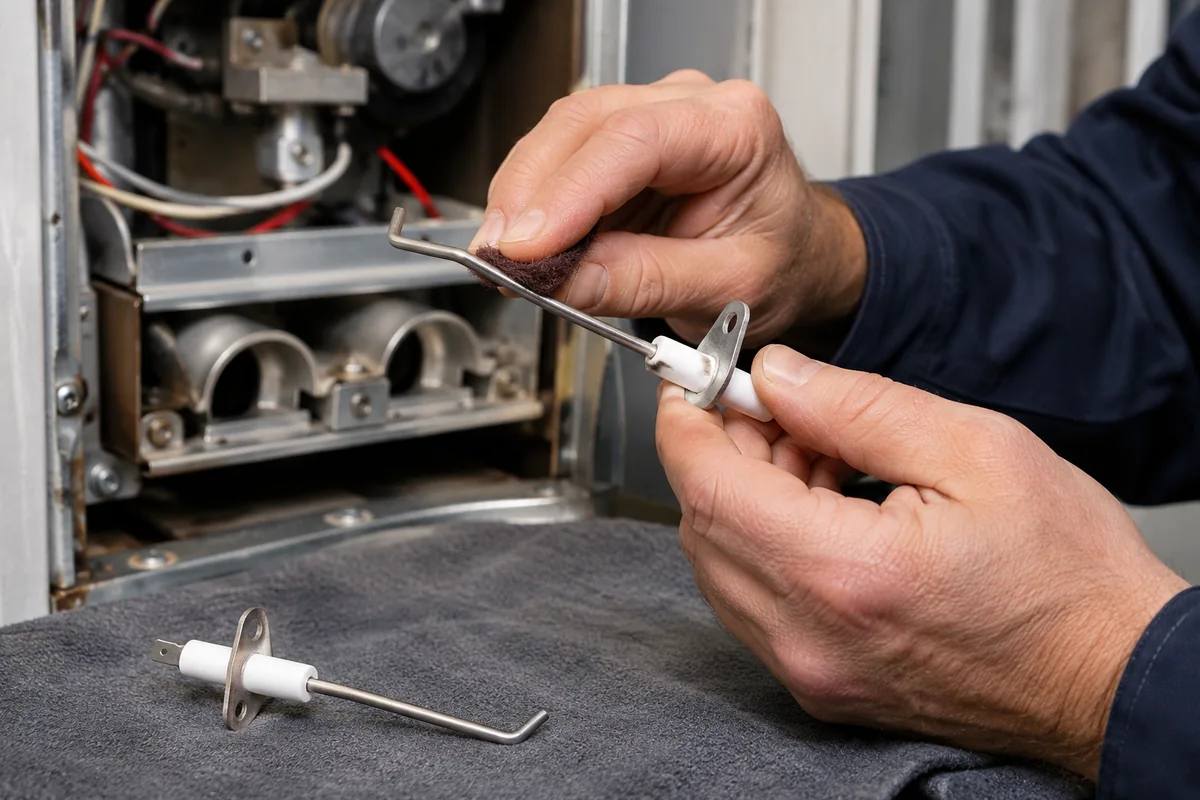
After: We traced the startup sequence and found unreliable flame proving associated with a dirty flame sensor. After the approved service, we ran three complete heating cycles and confirmed consistent burner operation. The homeowner received a direct explanation of the failed step and the difference between a sensor issue and an ignitor failure.
Keep the furnace cabinet area accessible and note any change in startup sounds or repeated retries. A new pattern of delayed ignition deserves testing, even if the furnace eventually starts. Do not bypass safety controls or continue resetting a system that repeatedly fails.
Cold Air from a Control Fault
Before: A Boise Bench homeowner reported that the thermostat called for heat, but the vents sometimes delivered cool air. The furnace blower ran, making the problem look like a thermostat issue. A full sequence check was needed to determine whether heat production, blower timing, or the control signal was responsible.
After: We tested the thermostat call and followed the heating sequence through the control and blower stages. The checks identified a control-related interruption rather than a failed blower motor. After the authorized correction, the furnace completed a 20-minute cycle with consistent heat delivery, and we reviewed the test results with the homeowner.
Keep the thermostat settings steady while observing a new symptom so the operating pattern is clear. Record when cool air begins and how long it lasts. If the behavior repeats, share those details during the diagnostic visit instead of changing several settings at once.
Solve Furnace Faults Before They Repeat
A furnace symptom rarely identifies one part by itself. Repeated shutdowns, poor heat, or unusual cycling can share causes, so we test the operating sequence and check the conditions around the failure. That gives you a clearer route from complaint to repair and helps avoid repeated resets without a diagnosis.
Repeated shutdownFurnace starts briefly, then shuts down before heating the roomsRepeated failed starts leave rooms cold and can put extra wear on ignition components as the furnace attempts to restart. We observe the startup sequence and test flame proving, pressure-related operation, and relevant safety controls. If a dirty flame sensor is the cause, we explain the cleaning or replacement option; if another control interrupts the cycle, we follow that evidence instead. We run the furnace again after approved work to confirm the symptom has been addressed.
Short cyclingWarm air stops and the furnace cycles repeatedly during cold weatherShort cycling can cause uneven room temperatures, more frequent starts, and difficulty maintaining the thermostat setting during a Boise cold spell. We inspect the filter and airflow path, check temperature behavior, and evaluate limit-control operation. A restricted airflow condition can resemble a component failure, so we test before recommending parts. We explain whether a filter, blower issue, duct restriction, or control fault is driving the repeated shutdowns.
Cool airThe furnace runs, but vents deliver cool or inconsistent airA furnace blowing cold air can leave bedrooms uncomfortable and may signal an ignition, thermostat, or blower-sequence problem. We check the thermostat call, burner or heating-element operation, and blower timing to locate the break in the heat cycle. Our tests distinguish a setting or control issue from failed ignition or a component fault. You receive a clear explanation of what is producing the cool air and what repair will correct it.
No startNo heat after a thermostat call despite power to the furnaceA furnace that will not start can leave the home without heat and make repeated resets ineffective or unsafe. We verify the thermostat demand and power, then trace the startup steps through the inducer, pressure switch, ignition, and safety controls as applicable. This identifies where the sequence stops rather than assuming the thermostat is at fault. We explain the result and discuss the repair needed to restore operation.
Clear Answers, Practical Next Steps
A measured diagnosis helps you choose a repair that addresses the actual fault.
Pinpoint the Failure
We trace the heating sequence rather than treating every no-heat call alike. For furnace short cycling, we inspect the thermostat demand, airflow, and limit controls to identify where the cycle ends. You learn whether the fault is a clogged air filter, control issue, or component failure before repair work starts.
Protect Safe Operation
A furnace that lights and then shuts down needs more than a reset. We examine ignition behavior, flame proving, and safety switches, then explain any concern that requires correction. If the heat exchanger or venting shows a safety concern, we make that finding clear and prioritize the right next action.
Reduce Repeat Calls
A measured diagnosis helps avoid replacing a working part because another component caused the symptom. During Boise furnace troubleshooting service, we document relevant readings and operating behavior so the repair addresses the source. That can prevent another shutdown caused by the same unresolved airflow or ignition problem.
Know What Comes Next
You receive a plain explanation of the fault, the recommended repair, and the expected sequence after work is authorized. We separate diagnostic findings from repair decisions, so you can weigh the urgency and likely result. The goal is to give you useful information before a cold house becomes a bigger disruption.
What you receive
Clear records you can keep and share.
Finding summary
The identified fault and supporting test observations.
Reading notes
Relevant measurements recorded during troubleshooting.
Repair outline
The recommended correction and its purpose.
Cycle notes
Operating behavior observed after approved work.
Symptoms and causes differ
One symptom can have several causes, so testing the operating sequence is more useful than replacing parts by appearance.
Symptom
What you notice at the thermostat, vents, or furnace.
No heat
Repeated starts
Cool supply air
Test finding
What inspection and measurements show during operation.
Signal missing
Airflow restricted
Ignition interrupted
Correction
The repair or adjustment connected to the confirmed fault.
Restore control
Address restriction
Verify full cycle
Parts we inspect
Flame sensors
Ignitors
Pressure switches
Blower motors
Control boards
Inducer motors
Limit switches
Heat exchangers
Service ZIP codes.
A list like this tells people straight away whether you cover their street. Not listed? Call and ask: it only takes a minute.
A Boise diagnostic visit includes a symptom review, visual inspection, operating-sequence test, and measurements relevant to the fault. We check the thermostat call, electrical operation, ignition, flame sensing, airflow, and safety controls as needed. Most straightforward visits take about 60 to 90 minutes. The final explanation identifies what the tests showed and whether a repair or further inspection is recommended.
The final amount depends on system access, the time needed to reproduce an intermittent failure, and whether specialized combustion or pressure testing is required. We explain the diagnostic charge and any recommended repair cost upfront, so you can decide how to proceed.
Yes, we can trace a no-heat problem through the thermostat demand, power supply, ignition sequence, safety controls, and blower operation. The furnace diagnostics and troubleshooting in Boise ID visit identifies the point where normal operation stops, even when the symptom is intermittent. Tell us what you have observed, such as clicking, short cycling, or cold air, and we will use that detail to guide the tests.
Most heating system diagnostics take 60 to 90 minutes; intermittent faults or difficult access can extend the visit to two hours or more. We use that time to reproduce the symptom, inspect the relevant parts, take measurements, and explain the findings. If the fault requires a repair, repair time is separate and depends on the component and parts needed.
If your furnace is cycling, blowing cold air, or refusing to start, we can test the system and explain the cause. Call Edge heating and cooling system to arrange a diagnostic visit; our technicians explain the findings and upfront pricing before repair work proceeds.
Tell us what your furnace is doing, your Boise neighborhood, and when the heating problem began. Call (208) 218-0701 to discuss the repair request; our phone team will record the details and route your inquiry to an independent company. Phone response hours vary, so leave a message with your name and callback number if the line is busy. We will use the information to help direct the next step.