Emergency Furnace Repair in Boise for Restored Heat
Emergency Furnace Repair in Boise helps homeowners and property managers facing a cold home, failed ignition, or a furnace blowing cold air. We trace the fault, explain the repair, and test the system after service. For 24-hour furnace repair Boise homeowners can reach our team when a breakdown cannot wait, especially as cold nights arrive across Idaho.
Checks fault codesRecords the furnace's displayed symptoms
Protects work areaKeeps nearby surfaces clear during service
Explains findingsConnects readings to the recommended repair
Tests the cycleObserves startup and normal shutdown
What's Included in an Emergency Visit
An emergency visit focuses on diagnosing the active furnace failure and correcting the confirmed cause. We inspect the equipment, test relevant electrical and mechanical components, complete the agreed repair when parts and access allow, and verify operation. Major replacement work, concealed venting repairs, or unrelated system upgrades are separate tasks; we explain those needs rather than folding them into a basic repair.
Symptom Review
We record what the furnace did before it failed, how often the symptom occurs, and any displayed fault code. Your description helps us reproduce the problem and compare it with the system's operating sequence.
Component Testing
We inspect and test parts tied to the symptom, such as the thermostat circuit, ignition components, pressure controls, and blower operation. Measurements guide the diagnosis so the repair addresses the actual fault.
Targeted Repair
When the cause is confirmed, we correct the failed connection, clean a serviceable component, or replace a failed part as appropriate. We explain the work and its cost before proceeding.
Safety Review
We look for unsafe operating conditions that affect continued furnace use, including unstable ignition or abnormal combustion behavior. If operation should stop, we tell you why and what further work is needed.
Operating Test
After service, we run the furnace through a heating cycle and check the thermostat call, ignition, blower, and supply-air temperature. We confirm whether the original symptom has stopped.
Homes and businesses.
The approach is the same for a home and a business. What changes is the access, the schedule and who needs the paperwork.
Homes and Rentals
We ask what changed in your home and which rooms have lost heat. Our technician checks the furnace and explains findings in straightforward terms.
Furnace starts, then shuts down
Cold air from supply registers
Thermostat calls without ignition
Business Properties
We identify the equipment serving the affected space and the operating hours involved. Property contacts receive a clear account of the test and repair.
Heating failure before opening
Uneven heat across occupied rooms
Repeated control shutdowns
Emergency Furnace Repair in Boise Explained
A plain-language look at what Emergency Furnace Repair involves and when it is needed.
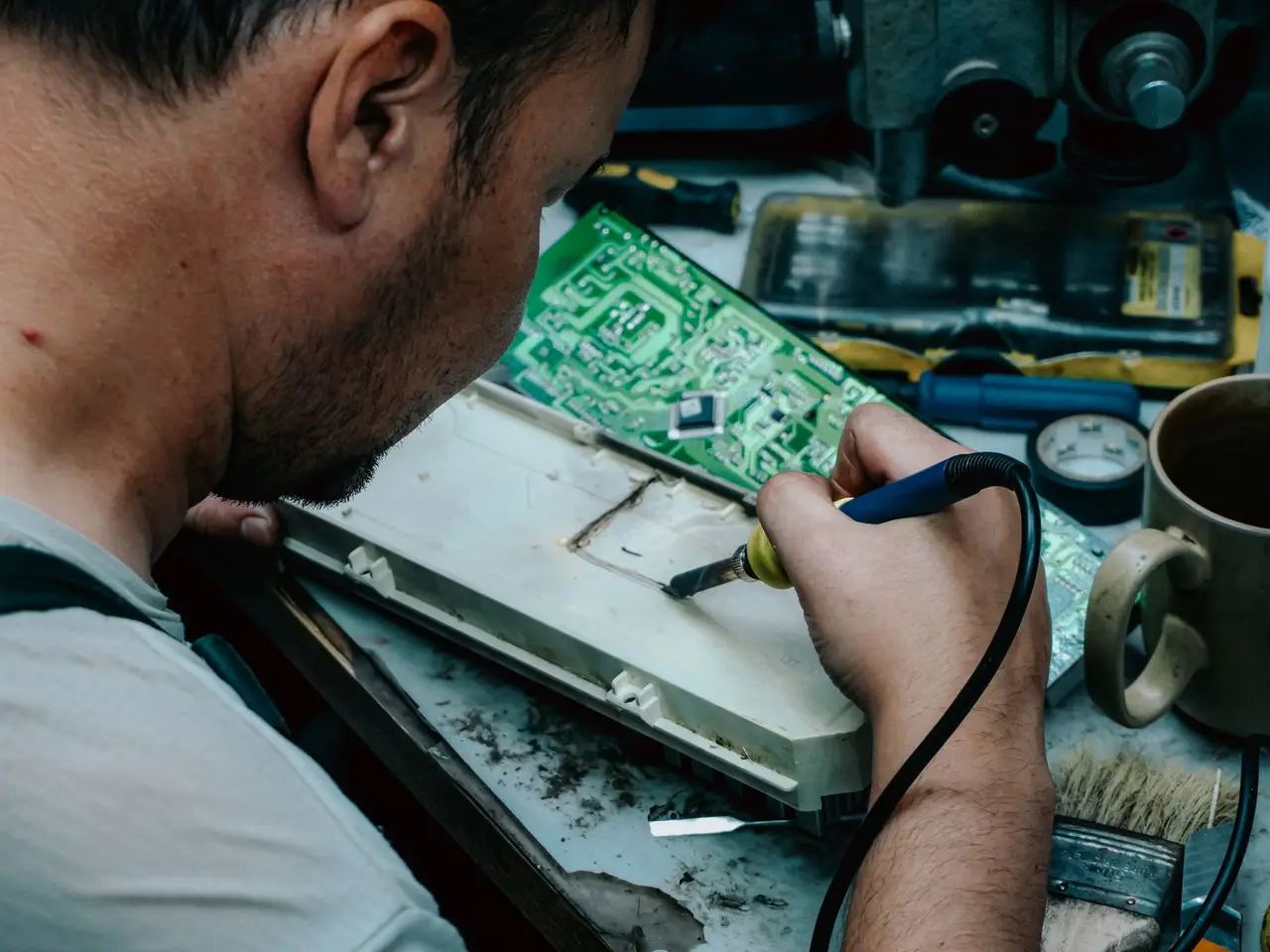
Emergency Furnace Repair in Boise is urgent heating service that diagnoses and corrects a furnace failure when a home or building loses safe, dependable heat. We check the thermostat, electrical supply, airflow, ignition sequence, safety controls, and combustion operation rather than swapping parts by guesswork. A digital multimeter helps identify electrical faults, while an infrared thermometer checks temperature change across the system. Once we find the cause, we explain the repair and verify operation through a complete heating cycle.
Boise's cold nights make a furnace outage more than an inconvenience, particularly for households with children, older adults, or rooms that cool quickly. A clogged air filter, dirty flame sensor, or pressure switch failure can stop a system without warning. Our Boise emergency heating repair starts with the symptoms you notice, then follows the equipment's fault sequence.
A sound emergency repair follows the fault, corrects its cause, and checks the furnace through a heating cycle.
What It Is
Urgent diagnosis and repair for a furnace failure that interrupts heat or creates an operating concern.
When Needed
Call when ignition fails, heat stops, cold air continues, or repeated shutdowns leave the home without dependable warmth.
What Happens
We inspect, test the suspected cause, explain the repair, and verify furnace operation after service.
What to Expect During Service
Emergency Furnace Repair in Boise follows a straightforward sequence: understand the failure, inspect the equipment, test the suspected circuit, complete the agreed repair, and verify operation. We keep you informed as the diagnosis develops.
Describe the Failure
When you call, tell us whether the furnace is silent, cycling repeatedly, blowing cool air, or showing a fault code. We ask when the problem began, whether you smell gas, and whether anyone has reset the system. That conversation helps us prepare for the right diagnostic path and flag immediate safety concerns before arrival.
Symptoms
Fault code
Safety concern
Inspect the System
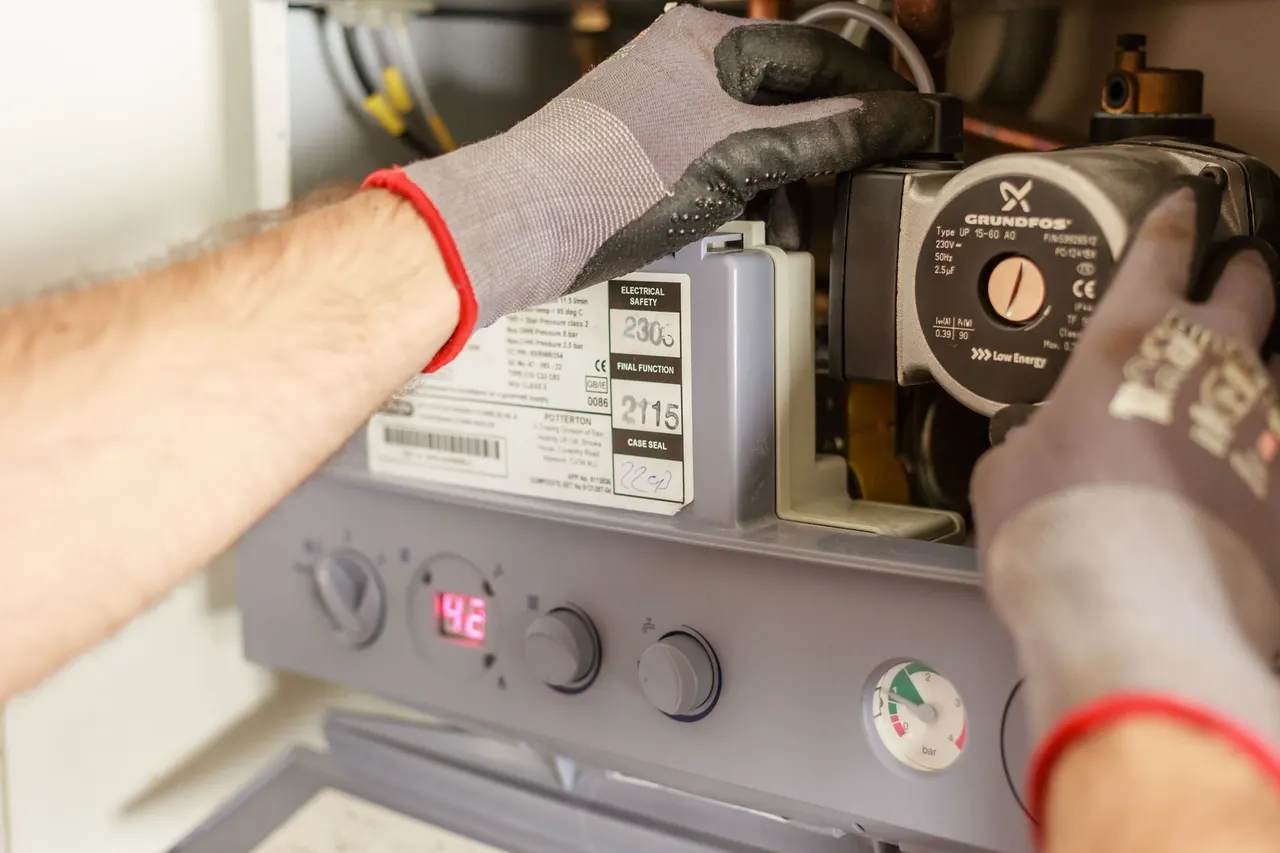
At the home, we check the thermostat settings, filter, breaker, access panels, venting, and visible wiring before testing components. We also listen for the inducer motor and blower sequence. Most initial inspections take about 20 to 40 minutes, depending on access and whether the furnace starts long enough to reproduce the fault.
Visual check
Access
System sequence
Test the Cause
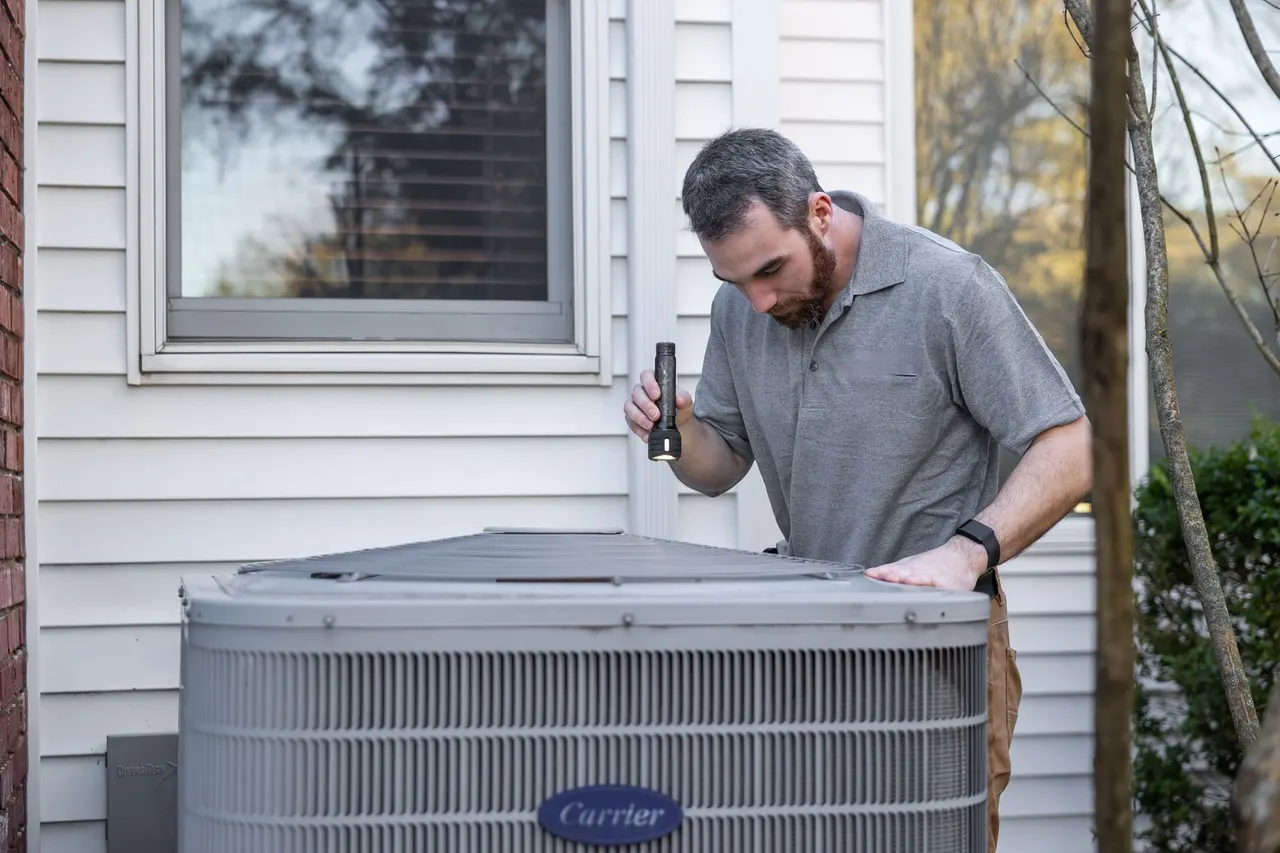
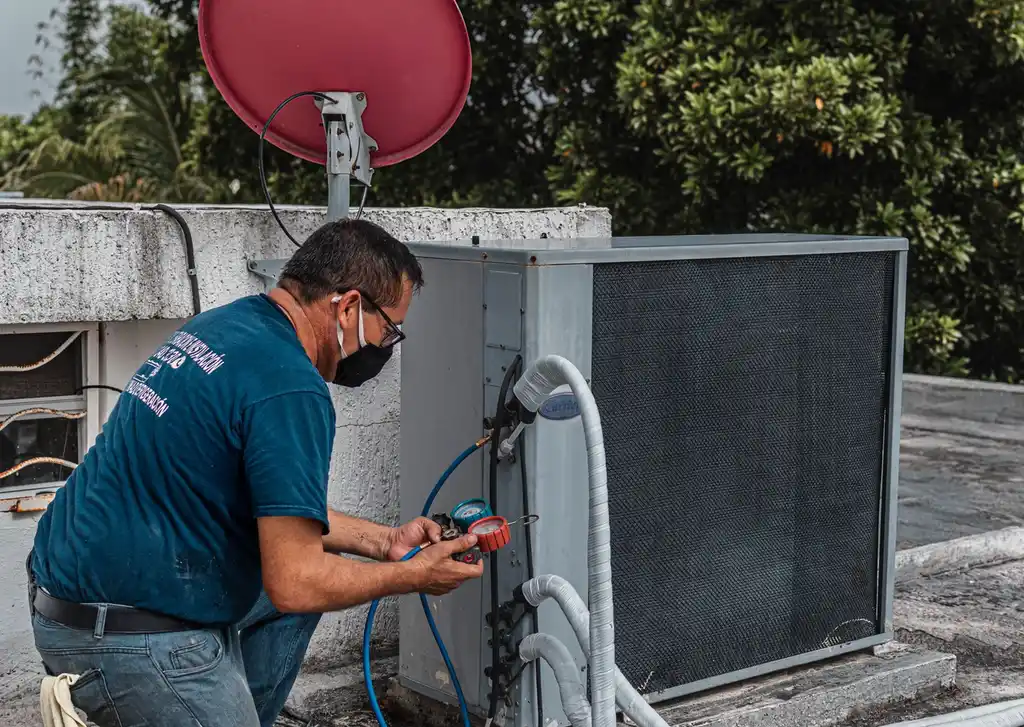
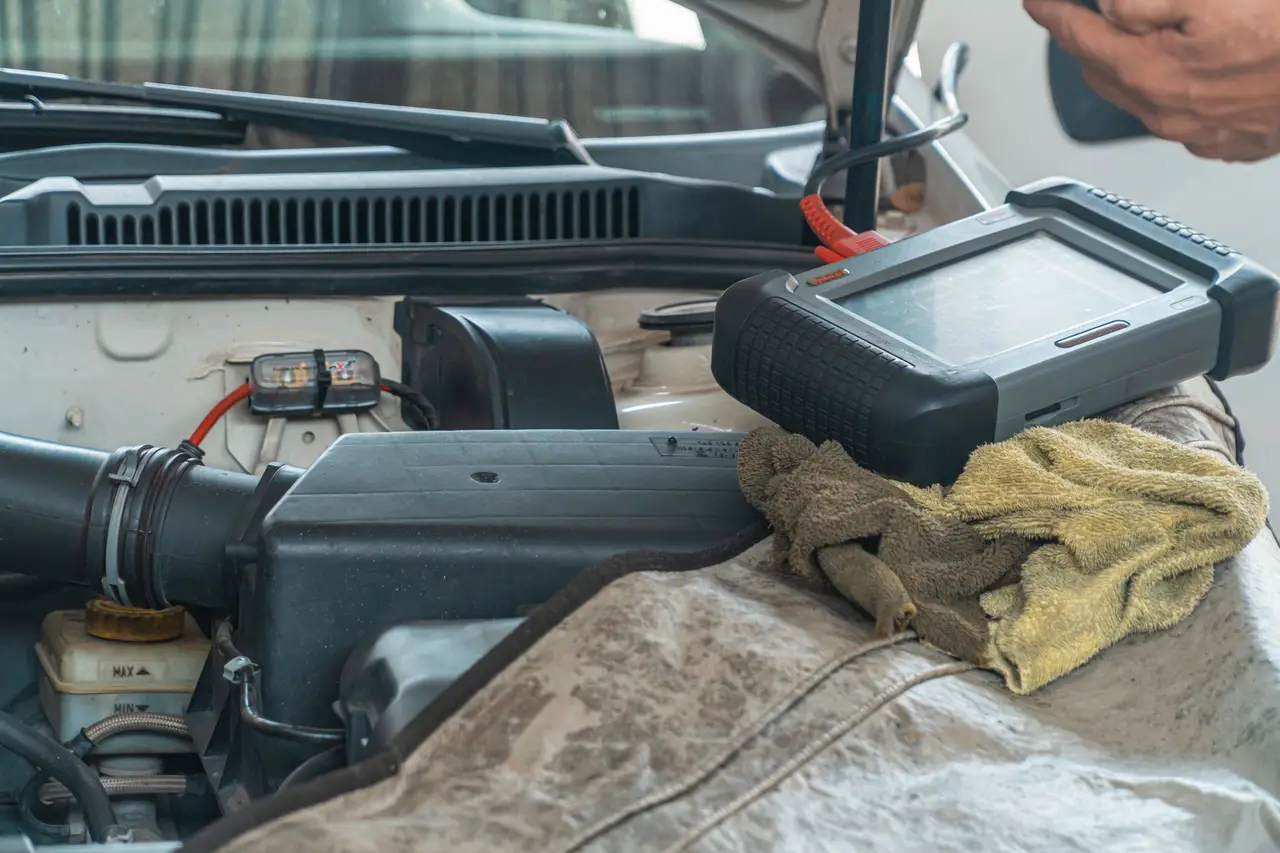
We use electrical and mechanical measurements to confirm what failed. A clamp meter checks current draw, and an inspection mirror helps view concealed areas without dismantling unrelated parts. We compare symptoms with the equipment sequence, then explain whether the issue involves ignition, airflow, a motor, a sensor, or a control.
Meter readings
Component test
Cause identified
Complete the Repair
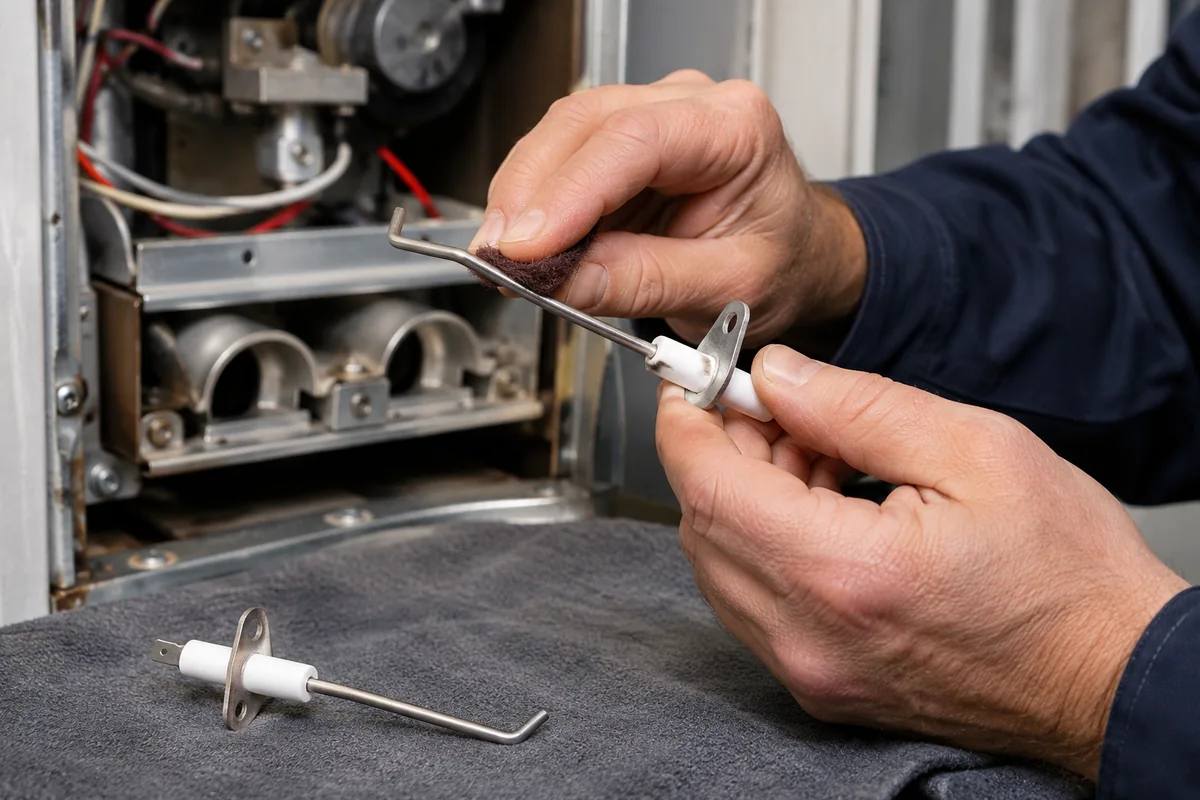
After explaining the repair and its cost, we replace or correct the failed item when the needed part is available. Common work includes cleaning a flame sensor, correcting a wiring fault, or replacing an ignitor. A straightforward repair often takes one to three hours; complex component or access work takes longer.
Repair explained
Part correction
Work completed
Run Final Checks
We restart the furnace and observe a complete heating cycle, checking ignition, burner stability, blower operation, and temperature change. We confirm the thermostat calls for heat and the system shuts down normally. Before leaving, we review the repair, note any follow-up maintenance, and answer your questions about the equipment.
Heating cycle
Temperature check
Next steps
Diagnostic Tools and Methods
Move across a circle, or focus it and press Enter, for an illustrative thermal view of the photograph.
Digital multimeter
Checks voltage, continuity, and electrical response at the thermostat, ignition circuit, and furnace controls to identify faults without guessing.
Clamp meter
Measures current draw at motors and other accessible circuits, helping identify abnormal electrical load during furnace operation.
Combustion analyzer
Assesses combustion performance where applicable, supporting a safe review of burner operation and venting conditions.
Manometer
Measures gas or pressure-switch readings at the specified test points, helping verify whether pressure conditions match equipment requirements.
Infrared thermometer
Checks surface and air-temperature patterns to help identify heat transfer issues and verify temperature change across the system.
Thermal views are illustrative, generated from the photographs.
Methods
Static pressure gauge
Measures duct-system resistance to help locate restricted airflow that can contribute to overheating or repeated shutdowns.
Sequence-of-operation diagnosis
We follow the manufacturer's startup sequence from thermostat demand through inducer operation, ignition, flame proving, and blower start. The point where the sequence stops narrows the fault and prevents unrelated parts from being replaced.
Electrical isolation and testing
We isolate the relevant circuit and test the component under the conditions in which it fails. Readings are compared with equipment specifications, and wiring is inspected for damaged connections. This method helps distinguish a failed part from a supply problem.
Combustion and safety review
For fuel-burning equipment, we inspect the burner and venting conditions and use combustion measurements where appropriate. Work follows applicable requirements, including the International Mechanical Code and National Fuel Gas Code, with NFPA 54 relevant to fuel-gas safety.
Airflow and temperature check
We inspect the filter and return path, evaluate blower operation, and compare temperature readings with equipment guidance. A restricted filter or duct path can cause limit trips, so the repair includes checking whether air can move freely.
When to Call for Urgent Repair
Overnight heat loss
A North End home loses heat overnight as temperatures fall and the furnace will not ignite.
We ask about the ignition attempts, fault display, and any unusual odor before inspecting the system. Our technician checks the ignition sequence and safety controls, then identifies whether a sensor, ignitor, or another fault is stopping heat. If the equipment is unsafe to run, we explain that immediately.
Outcome: You get a diagnosis tied to the furnace's actual behavior and a repair path focused on getting safe heat back into the home.
Cold supply air
A Boise Bench furnace runs continuously but blows cool air before a family gathering.
We check whether the burner is firing, inspect the thermostat call, and follow the system sequence from startup through blower operation. Testing distinguishes an ignition failure from a control or airflow issue, so we can correct the cause instead of adjusting the thermostat repeatedly.
Outcome: The repair targets the reason for cold air, followed by a heating-cycle check and a clear explanation of the result.
Rental shutdown
A Harris Ranch rental has repeated furnace shutdowns reported by a tenant.
We document the reported timing and fault code, then reproduce the short cycling if conditions allow. Our technician checks filter restriction, pressure controls, and temperature behavior. We give the property contact a concise account of the fault and repair completed.
Outcome: The tenant gets a direct update, and the property manager receives practical details about the repair and any remaining maintenance need.
Business interruption
A business near Downtown Boise finds its heating system stopped before opening.
We assess the equipment and affected areas, then test the furnace controls, ignition, and blower to locate the shutdown. We focus first on safe operation and the heating system serving the occupied space, explaining any work that needs a separate visit.
Outcome: The owner gets a clear decision about restoring heat, keeping the equipment off, or scheduling additional work based on the diagnosis.
North EndBoise BenchHarris Ranch
How Emergency Repair Works in Boise
Boise's heating season brings long furnace run times and cold overnight conditions, so a system that short cycles or fails ignition can leave a home uncomfortable quickly. We see a mix of older homes with tight mechanical spaces and newer properties with varied furnace controls; access and equipment age affect how we inspect and repair each unit.
In the North End and Boise Bench, an older installation can require careful access around finished basements or compact utility areas. In newer areas such as Harris Ranch, control codes and communicating equipment may shape the diagnostic steps. Our Boise emergency heating repair checks the actual furnace, venting, airflow, and fuel or electrical supply before parts are changed.
For emergency heating and cooling service near me in Boise, we ask where the equipment sits and whether the property has safe, clear access. Repairs follow applicable Idaho requirements and relevant mechanical and fuel-gas codes. We finish with an operating check and explain any remaining condition in plain language.
North End: Older homes can place furnaces in compact basements or utility spaces. We plan the inspection around safe access to the equipment and its venting.
Boise Bench: A mix of home ages means controls and furnace layouts vary. We identify the model and follow its sequence instead of applying one diagnostic assumption.
Harris Ranch: Newer systems may use more complex controls. We note displayed fault codes and verify the system response after the repair.
Warm Springs Mesa: When a home has been closed during a cold spell, we check the filter and return-air path along with the reported heating fault.
Cold overnight temperatures increase furnace runtime across Boise homes: Long cycles expose weak ignitors, worn motors, and restricted airflow. We look for a part that fails only after the furnace has run, then test the equipment under operating conditions.
Older mechanical spaces can limit access around furnace cabinets: Tight clearance affects inspection and component removal. We identify access limits early, protect nearby surfaces, and explain if a repair requires a different approach.
We review the reported symptom and inspect the furnace and surrounding access.
We protect the immediate work area and set up diagnostic tools.
We test operation, explain findings, and review practical next steps.
From problem to finished result.
IllustrativeThe thermal view is generated from the photograph. It is not a measurement. Drag the handle, or use the arrow keys once it is focused.
Short Cycling Stops at the Cause
Before: A Boise homeowner reported that the furnace started, ran for about 8 minutes, and shut down before the living room warmed. The filter was heavily loaded, and the system showed signs of restricted airflow. Repeated thermostat adjustments did not change the pattern.
After: We corrected the airflow issue and tested the furnace through three complete heating cycles. Each cycle ran without the earlier shutdown, and supply-air temperature rose by 35 degrees from return air. The homeowner had a clear explanation of the filter issue and how it affected operation.
Check the filter monthly during heavy winter use and replace it when visibly loaded or at the manufacturer's interval. Keep return grilles clear so the furnace can move air.
Ignition Fault Restores Heat
Before: A North End furnace attempted to light several times, then stopped and left the home cold. The occupants could hear the system start but never felt warm air at the registers. A repeated reset brought no lasting change.
After: Testing identified a failed ignitor. After replacement, the burners lit consistently and the blower delivered warm air through a full cycle. The system completed two further starts without the original ignition fault, and we reviewed the part and the test results with the homeowner.
Keep the furnace area clear and arrange seasonal inspection before sustained cold weather. If ignition attempts fail again, record the fault code and avoid repeated resets.
Cold-Air Complaint Gets a Diagnosis
Before: A Boise property manager reported a furnace that ran while blowing cool air into a rental. The tenant had raised the thermostat, but the rooms remained cold. The system was left operating because the blower sounded normal.
After: We traced the symptom to an interruption in the ignition sequence and corrected the confirmed fault. The manager received a summary for the property record.
Ask tenants to report unusual burner sounds, fault codes, or changes in airflow promptly. Replace filters on schedule and keep the return grille unobstructed.
Urgent Help for a Furnace Not Working in Boise
A furnace failure often starts with a small symptom, then becomes a no-heat call at the worst time. We connect the symptom to a testable cause, restore operation when safe, and tell you what condition remains if the repair needs another step.
Failed ignitionFurnace lights briefly, then shuts off before warming the homeRepeated ignition attempts leave rooms cold and can stress components; a safety control may keep shutting the burner down for a real operating fault. We watch the ignition sequence and check the flame sensor, airflow, and relevant safety controls. If a dirty flame sensor is responsible, we clean and test it; if the sensor or another part has failed, we explain the replacement. We confirm the burner remains operating through a complete call for heat.
Short cyclingWarm air stops and the furnace begins short cyclingFrequent starts make indoor temperatures uneven and add wear to motors and controls. Restricted airflow or a faulty thermostat can trigger repeated shutdowns. We compare thermostat operation, filter condition, and airflow with the furnace's temperature behavior. A static pressure gauge helps assess an airflow restriction, while operating checks identify whether the blower is moving air correctly. We correct the confirmed cause and retest the system.
Cold airFurnace runs but pushes cold air through Boise roomsThe home loses heat despite a running blower, and occupants may mistake the symptom for a complete furnace failure. The cause could be a failed ignition or a control interruption. We determine whether the burners are lighting and whether the blower is operating at the right point in the cycle. We inspect the ignitor and control sequence, then make the repair supported by testing. Before leaving, we verify a temperature rise at the supply side.
No startupFurnace will not start after a power interruptionA tripped breaker, loose connection, or damaged control can leave the property without heat. Repeatedly resetting the equipment can hide a fault or create unsafe operation. We check the power path, thermostat call, and control-board response with appropriate electrical tests. If a board or connection has failed, we explain the options and repair the confirmed issue. We then cycle the furnace to ensure it starts and shuts down normally.
Practical Results When Heat Fails
Get a confirmed diagnosis, a targeted repair, and a checked heating cycle.
Find the Actual Fault
We test the sequence that starts and sustains your furnace instead of replacing parts based on a symptom alone. A combustion analyzer can help assess burner operation, while a manometer checks pressure where the system requires it. That evidence helps separate an ignition problem from restricted airflow or a control fault.
Restore Useful Heat
A working furnace should deliver a measurable temperature rise and keep the home comfortable through a full cycle. We inspect the repair, confirm the blower and burners operate as intended, and check that warm air reaches the supply registers. You get a clear explanation of what changed and what to watch.
Address Safety Concerns
Unusual burner behavior, repeated shutdowns, or a suspected cracked heat exchanger calls for careful inspection, not repeated resets. We look for operating conditions that affect safe combustion and shut down equipment when continued use is unsafe. That approach helps you make the next decision with useful facts.
Avoid Repeat Callbacks
A repair is not complete until we run the system and confirm the original symptom has stopped. We also point out maintenance issues, such as a loaded filter or blocked return, that could trigger another shutdown. Clear next steps help you keep the furnace operating after the urgent fault is corrected.
What you receive
Clear records you can keep and share.
Service summary
Records the reported symptom, diagnosis, and repair performed.
Test notes
Lists relevant readings and final operating checks.
Part record
Identifies components cleaned, adjusted, or replaced.
Follow-up notes
Captures maintenance items discussed during the visit.
Separate the Symptom from the Cause
A furnace can show the same symptom for different reasons, so testing the operating sequence matters before parts are changed.
No ignition
The furnace fails to establish a burner flame.
Check ignition sequence
Test relevant controls
Confirm safe operation
Short cycling
The furnace starts and stops before completing normal heating.
Review airflow path
Check temperature behavior
Trace safety shutdown
Cold airflow
The blower runs without delivering expected warm air.
Confirm burner operation
Inspect control sequence
Measure temperature change
Parts and Systems
Flame sensors
Ignitors
Pressure switches
Blower motors
Control boards
Inducer motors
Limit switches
Heat exchangers
Service ZIP codes.
A list like this tells people straight away whether you cover their street. Not listed? Call and ask: it only takes a minute.
Edge heating and cooling system provides emergency furnace repair for homes and properties across Boise, Idaho. Call (208) 218-0701 and describe the symptom, equipment type, and any visible fault code. We use that information to prepare for diagnosis, then inspect the furnace and explain the repair path. If you smell gas, leave the building and contact the appropriate emergency utility service before arranging furnace work.
Call (208) 218-0701 to ask about 24-hour furnace repair Boise service for your current breakdown. Tell us whether the furnace has stopped completely, is blowing cold air, or is repeatedly starting and stopping. Our team will discuss the problem and the next service step. For a same-day emergency heating repair Boise request, sharing the furnace model and symptom at the start helps focus the visit.
A sensor cleaning or simple electrical correction costs less than a blower motor or control board replacement. We explain the charge for the diagnosed work before proceeding. If inspection finds a safety issue or a second fault, that can change the work required.
Set the thermostat to off, keep the area around the furnace clear, and do not repeatedly reset a system that keeps shutting down. If you smell gas, leave immediately and call the gas utility or emergency services from outside. You can check that the filter is not visibly blocked, but do not open burner compartments. Note any fault code, noises, or timing; those details help us diagnose the furnace.
If your furnace has quit, is blowing cold air, or keeps shutting down, call Edge heating and cooling system at (208) 218-0701. We will ask about the symptoms and help you take the next step toward a safe diagnosis and restored heat.
Tell us what your furnace is doing, your Boise neighborhood, and when the heating problem began. Call (208) 218-0701 to discuss the repair request; our phone team will record the details and route your inquiry to an independent company. Phone response hours vary, so leave a message with your name and callback number if the line is busy. We will use the information to help direct the next step.